












7 common insurance myths—and what's actually true
7 common insurance myths—and what's actually true
Does driving a red car really raise your insurance rate? Does your landlord’s insurance protect your belongings? And does your homeowners policy cover you no matter what happens?
When it comes to insurance, there are plenty of misconceptions out there—and believing the wrong one could leave you with an expensive surprise when you need coverage most.
AAA Insurance experts break down some common insurance beliefs and separate fact from fiction.
I have a homeowners insurance policy, so I have all the coverage I need.
FALSE. Having homeowners insurance doesn’t necessarily mean you have enough coverage. If your home is completely destroyed, your policy needs to provide enough coverage to rebuild it at today’s costs. Without an adequate limit, homeowners could find themselves facing a significant gap between what insurance covers and what rebuilding actually costs.
My homeowners insurance covers all the disasters likely to happen in my area.
FALSE. Standard homeowners policies typically cover events such as fire, lightning, theft, vandalism, and certain types of smoke, water, and wind damage. But floods and earthquakes generally aren’t covered. Separate flood or earthquake coverage may be available for homeowners who need additional protection.
All my valuables will be covered if they’re stolen.
FALSE. Your homeowners or renters policy may cover personal belongings, but certain valuables—including jewelry, antiques, artwork, and business property—can have coverage limits. Additional endorsements can provide extra protection for higher-value items.
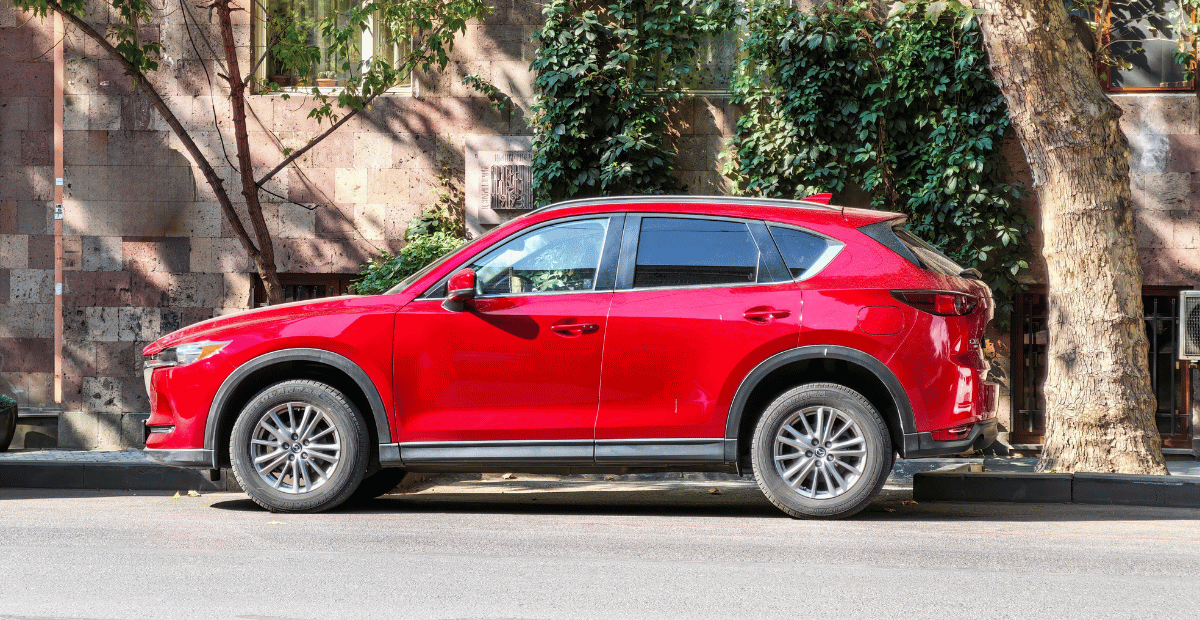
The color of my car affects my auto insurance rate.
FALSE. Go ahead and buy the red car. Insurance companies may consider factors such as your vehicle’s make, model, and year, along with information about the driver. The color of the vehicle isn’t one of them.
A stay-at-home spouse doesn’t need life insurance.
FALSE. A stay-at-home spouse may provide childcare, transportation, household work, and other support that would be costly to replace. Life insurance can help offset those expenses if the unexpected happens.
I don’t need renters insurance because my landlord has insurance.
FALSE. Your landlord’s policy generally protects the building—not everything you own inside it. Renters insurance can help protect your personal belongings and may also provide liability coverage if, for example, a guest is injured in your home.
You can have too much homeowners insurance coverage.
TRUE. Your coverage should generally reflect what it would cost to rebuild your home—not necessarily the amount of your mortgage or the total value of your property. The land itself doesn’t need to be insured, so in some cases, insuring a home for the full loan amount could mean carrying more coverage than necessary.
Insurance needs can change over time, so it’s a good idea to periodically review your policies and make sure your coverage still matches your home, belongings, and lifestyle.
AAA Insurance can help you review your options and find coverage that fits your needs.