











Are you driving drowsy without realizing it?
Are you driving drowsy without realizing it?
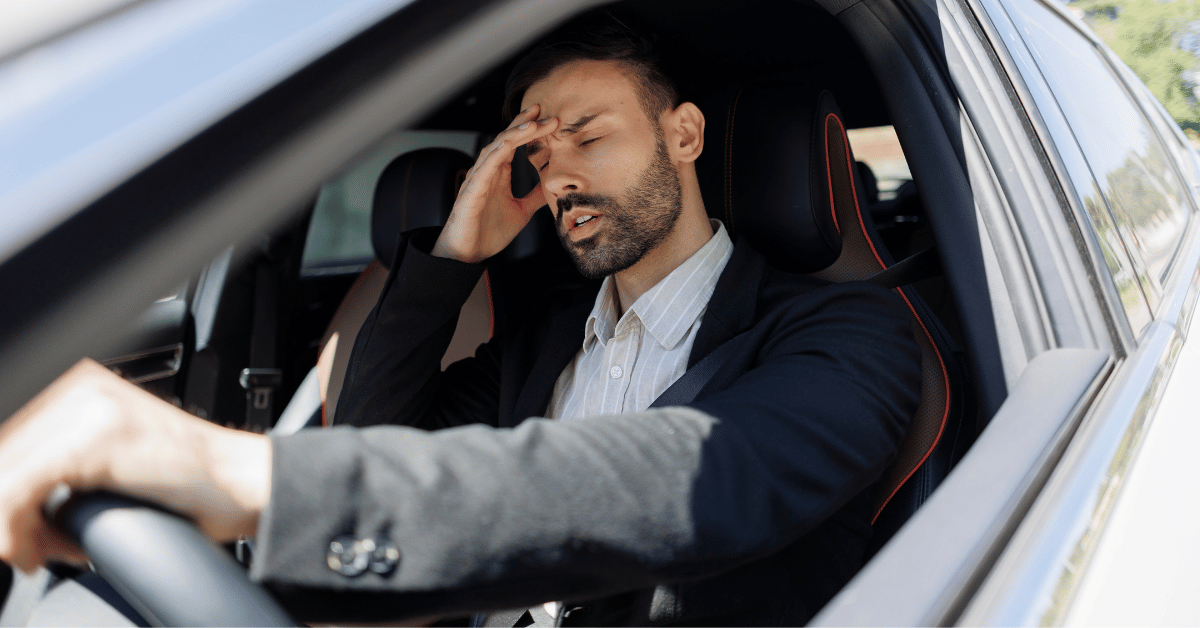
When you think of drowsy driving, you probably picture someone struggling to keep their eyes open, nodding off behind the wheel, or falling asleep entirely.
But what if the warning signs are much less obvious?
Maybe you've missed your exit on a familiar route. Or caught yourself blinking a little longer than usual. Perhaps you've arrived somewhere and realized you barely remember the drive.
These seemingly minor moments can be signs that you're too tired to drive safely. And you might be surprised by how many drivers don't recognize them.
According to the National Sleep Foundation, 40% of drivers don't recognize basic warning signs of drowsiness. And although 93% of drivers consider drowsy driving very or extremely dangerous, 25% admit they've done it in the past month, according to a AAA Foundation for Traffic Safety survey.
Nov. 1–7, 2026, is Drowsy Driving Prevention Week, held each year as Daylight Saving Time ends. It's a timely reminder to pay attention to the warning signs that you might be too tired to drive safely.
Signs to watch for
- Trouble concentrating. You find it difficult to focus on the road, your eyes wander, or your thoughts start drifting.
- Frequent blinking or heavy eyelids. You're blinking more than usual or struggling to keep your eyes open.
- Difficulty remembering the drive. You can't recall the last few miles you've traveled.
- Missing exits or traffic signs. You overlook familiar turns, road signs, or other important details.
- Repeated yawning or eye rubbing. You keep yawning or rubbing your eyes in an effort to stay alert.
- Trouble keeping your head up. Your head feels heavy, or you catch yourself nodding off.
- Drifting out of your lane. You find yourself veering toward another lane, following too closely, or hitting a shoulder rumble strip.
- Feeling unusually irritable. Minor frustrations, like sitting in traffic, suddenly seem much more aggravating.
If you notice any of these signs, don't try to push through. Find a safe place to pull over and rest. A short nap of 20–30 minutes can help restore alertness temporarily, but it isn't a substitute for adequate sleep.
Why the time change matters
We've just turned back the clocks. While that extra hour of sleep sounds like a bonus, changes to our routines can affect how alert we feel.
And there's another reason to pay attention to fatigue: Drowsy driving crashes occur most frequently between midnight and 6 a.m. and in the late afternoon. These are times when our bodies naturally experience dips in alertness, thanks to our circadian rhythm, the internal clock that regulates sleep.
The best defense? A good night's sleep.
Of course, the best way to avoid drowsy driving is to prevent it before you ever get behind the wheel.
AAA recommends getting at least seven hours of sleep and planning longer drives for times when you're normally awake. On road trips, take a break every two hours or 100 miles, and share the driving with an alert passenger whenever possible.
Most importantly, don't wait until you're struggling to keep your eyes open to take fatigue seriously. If you're feeling tired, it's worth asking yourself whether you're alert enough to drive safely.
After all, getting where you're going safely is more important than getting there on time.