












Could your home be at risk this winter?
Could your home be at risk this winter?
Fall is a good time to check your home for small maintenance issues before colder temperatures, heavy rain and winter storms arrive. With leaves beginning to fall, you have time to inspect your roof, clear gutters, check trees, and take care of other tasks that can help protect your home in the months ahead.
“Now is a good time to take a look around the outside of your house and see if there’s anything obvious that needs attention before winter,” says David Kirst, Manager of Insurance Sales Operations at AAA Western and Central New York.
A little preventative maintenance now may help you avoid problems such as water getting into your home, ice buildup, fallen branches and other weather-related damage. Here are eight areas to check as part of your early-fall home maintenance routine.
1. Check your roof, siding, and other exterior features
Start by looking over the outside of your home for visible signs of damage. You don't need to climb onto your roof to do a basic visual inspection from the ground.
Look for:
- Missing, loose or damaged shingles
- Loose siding or other exterior materials
- Visible gaps or areas where water could get behind damaged materials
- Signs of a roof leak, including water spots on ceilings inside your home
Take care of visible damage promptly rather than waiting for winter weather to make the problem worse. Snow, ice, and strong winds can put additional stress on already damaged areas, while moisture can enter places you may not notice until the damage becomes more extensive.
If you spot a water stain on a ceiling or suspect a roof leak, don't put off investigating it. Addressing the source of the problem early may help prevent additional damage.
2. Clean gutters and check your home's drainage
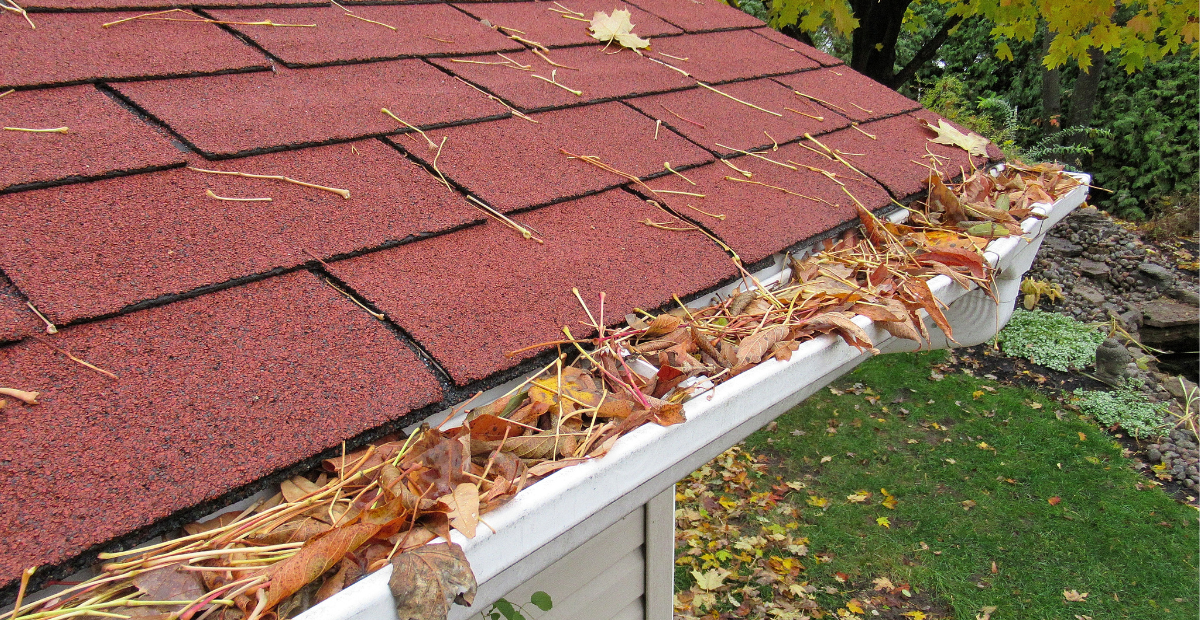
As leaves begin to fall, make a plan to keep gutters and outdoor drains clear. Gutters help direct rainwater away from your home, but leaves and other debris can prevent water from flowing properly.
When gutters become clogged, water may overflow or collect where it shouldn't. In colder weather, trapped water can freeze and contribute to ice dams, which may allow water to enter your home.
Check your gutters and downspouts for debris, visible damage and signs of deterioration. Downspouts are easy to overlook, but they can wear out over time and may need repair or replacement.
Also, take a look at how water drains around your home's foundation. If you notice water repeatedly pooling close to the house, it may be a sign that drainage needs attention.
“Water constantly accumulating around the foundation can eventually cause problems,” Kirst says.
If you notice recurring pooling, investigate the cause and address it before freezing temperatures arrive.
3. Inspect trees, branches and outdoor areas
Strong winds, heavy snow and ice can put pressure on trees and branches. A damaged or dying tree may pose a risk to your home if it falls during a winter storm.
As you walk around your property, look for dead or damaged branches and limbs that hang over your roof or other structures. Consider having overhanging branches trimmed and dead or dying trees evaluated by a qualified professional.
It's also a good time to look for outdoor items that could become loose during high winds. Taking care of potential hazards before storms arrive can help protect your home and the people around it.
4. Secure outdoor furniture and yard items
Patio furniture, decorations, and other outdoor items can become airborne during strong winds. Before stormy weather arrives, decide what should be secured, tied down, or brought inside.
Check items such as:
- Patio chairs and tables
- Outdoor decorations
- Lightweight yard equipment
- Seasonal furniture and accessories
- Other loose items around your property
Store items in a shed or garage when possible or secure them according to the manufacturer's instructions. A quick walk around your yard can help you spot things that might be forgotten until a storm is approaching.
5. Prepare your chimney and fireplace for winter
If you use a fireplace or wood-burning stove, make sure it's properly maintained before you begin using it regularly during colder weather.
Have your chimney and fireplace inspected and cleaned as appropriate, and keep combustible materials a safe distance from heat sources. Follow the manufacturer's safety instructions for your fireplace or stove and never leave a fire unattended.
Kirst has seen how quickly a small fireplace-related incident can become a major problem. In one example he cited, a log rolled out of a wood stove and caused a serious house fire.
Before the cold season gets underway, make sure your fireplace area is ready for safe use.
6. Check smoke detectors and carbon monoxide alarms
Fall is a good time to check your home's smoke detectors and carbon monoxide alarms. You can make this part of your routine when you change your clocks for daylight saving time.
Test alarms according to the manufacturer's instructions, replace batteries as needed, and check the devices' ages and recommended replacement timelines.
Smoke detectors and carbon monoxide alarms are important safety measures year-round, especially as households begin using fireplaces, wood-burning stoves, and heating equipment more often.
If you aren't sure whether an alarm is working properly or needs to be replaced, check the manufacturer's instructions and address the issue before colder weather sets in.
7. Look for signs of water damage and prepare for winter
Some maintenance issues aren't obvious from outside. Check areas inside your home for signs of water intrusion, including ceiling stains or other visible moisture damage. If you find something concerning, investigate the source instead of simply covering up the evidence.
It's also worth preparing for the first freeze and icy conditions, even while fall is still underway.
Consider these tasks:
- Keep ice melt or rock salt accessible for slippery walkways
- Make sure you have the supplies you need to clear snow and ice
- Check outdoor areas where water tends to collect and freeze
- Address known leaks or exterior damage before temperatures drop
- Keep walkways as clear and safe as possible during freezing weather
Freezing rain and cold overnight temperatures can create slick surfaces before winter officially begins. Planning ahead makes it easier to respond when conditions change.
Pay attention to walkways used by household members and visitors, including delivery workers. Keeping these areas clear of snow and ice can help reduce the risk of slips and falls.
8. Make home maintenance part of your insurance checkup
Home maintenance and homeowners insurance serve different purposes. Insurance can help protect you from covered losses, but it generally isn't intended to pay for routine upkeep or damage caused by normal wear and tear.
"Insurance is designed for sudden and direct causes of loss," Kirst explains. "Maintenance issues are a different matter."
For example, a sudden storm that damages your roof or siding may be treated differently under your policy than damage that develops over time because a known maintenance issue wasn't addressed. Coverage depends on the circumstances of the loss and the specific terms, conditions, and exclusions in your policy.
That is one reason it is worth addressing visible damage, recurring leaks, and other maintenance concerns before winter. Regular inspections can help you identify problems earlier, when they may be easier to address.
Can neglected maintenance affect a homeowner's insurance claim?
It can, depending on the situation and your policy. Damage associated with wear and tear, deterioration, or neglected maintenance may be excluded, while certain sudden events may be covered.
If you have questions about what your homeowners insurance covers, contact your insurance agent to review your policy before you need to file a claim. Your agent can help explain your coverage, deductibles, and any limitations that may apply.
What should you do if a storm damages your home?
If a storm damages your home, contact your insurer or agent promptly to discuss what happened and understand the next steps.
If it's safe to do so, take reasonable steps to prevent additional damage. For example, if a fallen tree damages your roof and water is entering the home, focus on protecting people and limiting further damage without putting yourself at risk. Document the damage when it is safe and practical, and follow your insurer's guidance.
Before deciding whether to file a claim, talk with your agent about your policy, deductible and claims process. Your agent can help you understand your options, although the decision will depend on the circumstances and your coverage.
When should you start preparing your home for winter?
Early fall is a practical time to start. You don't have to complete every seasonal task at once, but checking your home's exterior, clearing gutters, inspecting trees, and addressing visible damage now can help you get ahead of colder weather.
As leaves continue to fall and temperatures begin to drop, revisit your checklist and take care of any remaining tasks. If you notice signs of damage, don't wait for the first snowstorm to investigate.
A little preparation can help you head into winter with a clearer picture of your home's condition and any maintenance that needs attention.
Review your homeowners insurance with AAA
Home maintenance can help reduce preventable problems, while homeowners insurance can provide protection against covered losses. Understanding how the two work together can help you prepare for the season ahead.
Have questions about your homeowners insurance? Connect with a AAA Insurance Advisor to review your coverage and learn more about protecting your home.
About the Insurance Expert
David Kirst is the Manager of Insurance Sales Operations at AAA Western and Central New York. He works in insurance operations and shares practical insights into homeowners insurance and ways homeowners can prepare for potential risks.