










October Is Car Care Month: Quick Checks to Keep Your Vehicle Safe and Reliable
October Is Car Care Month: Quick Checks to Keep Your Vehicle Safe and Reliable
As temperatures begin to cool and daylight hours grow shorter, AAA Western and Central New York is encouraging motorists to make vehicle maintenance a priority during Car Care Month this October.
Many of the most common roadside emergencies can be prevented through routine maintenance. AAA research has found that 35% of drivers have skipped needed vehicle maintenance or repairs, while 65% had not tested their battery before discovering it was dead. With colder temperatures, rain, snow, and reduced visibility just around the corner, now is the ideal time to ensure your vehicle is prepared for the season ahead.
"Preventive maintenance is one of the easiest ways drivers can protect themselves from an unexpected breakdown," said Kevin Fortner, Manager of Fleet Operations at AAA Western and Central New York. "A few simple checks can help improve safety, reliability, and peace of mind before winter weather arrives."
What should drivers check before winter?
AAA recommends focusing on several key areas that can have a major impact on safety and vehicle performance.
How do I know if my tires are ready for colder weather?
Tires are your vehicle's first line of defense against wet, snowy, and icy roads. Check tire pressure regularly and inspect tread depth for excessive wear. Worn tires are more likely to lose traction and hydroplane in wet conditions.
Why is battery testing important in the fall?
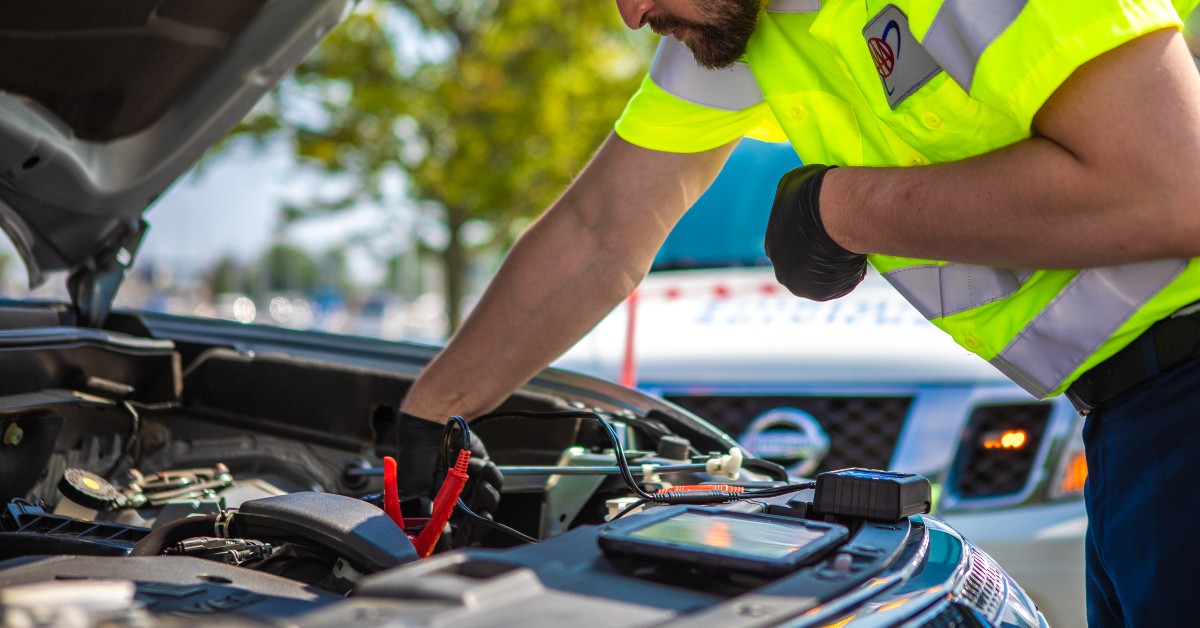
Cold weather can reduce battery performance and make it more difficult for your vehicle to start. Since most batteries last between three and five years, fall is an ideal time to have them tested.
"If you're unsure about your battery's condition, AAA can help," said Fortner. "Members can request a battery test through AAA, and, in many cases, we can even replace the battery on-site."
How often should wiper blades be replaced?
Drivers should inspect wiper blades regularly and replace them about every six months or whenever they fail to clear the windshield effectively.
"Swap your wiper blades about every six months, and take a minute to check your headlights, taillights, and turn signals," said Fortner. "Seeing and being seen is a big part of staying safe."
What fluids should I check?
Drivers should routinely inspect essential fluids, including engine oil, coolant, brake fluid, transmission fluid, and windshield washer fluid.
"Check your fluids, like windshield washer fluid, and take a look at your filters," said Fortner. "It's a simple step, but it makes a big difference in how your vehicle performs."
Don't forget your lights and filters
Shorter days and worsening weather conditions make visibility especially important during the fall and winter months. Check headlights, taillights, brake lights, and turn signals to ensure they're working properly. Drivers should also inspect engine and cabin air filters and replace them as recommended by the vehicle manufacturer.
Any final safety tips?
Once you've completed any under-the-hood maintenance, make sure the hood is fully secured before driving. AAA also recommends keeping an emergency kit in your vehicle that includes a cellphone charger, flashlight, jumper cables, water, snacks, extra gloves, blankets, and a basic toolkit.
Looking for a trusted mechanic?
Motorists can identify reliable, high-quality repair shops by looking for the AAA Approved Auto Repair designation. Approved facilities meet strict standards for customer service, technician training, equipment, cleanliness, and workmanship. To locate a nearby AAA Approved Auto Repair facility, visit AAA.com/AutoRepair.
_____________________________________________________________
About the Car Care Expert
Kevin Fortner is the Manager of Fleet Operations at AAA Western and Central New York. He works in fleet operations and shares practical tips to help drivers keep their vehicles safe, reliable, and ready for the road ahead.