











Why 96% of drivers admit to road rage
Why 96% of drivers admit to road rage
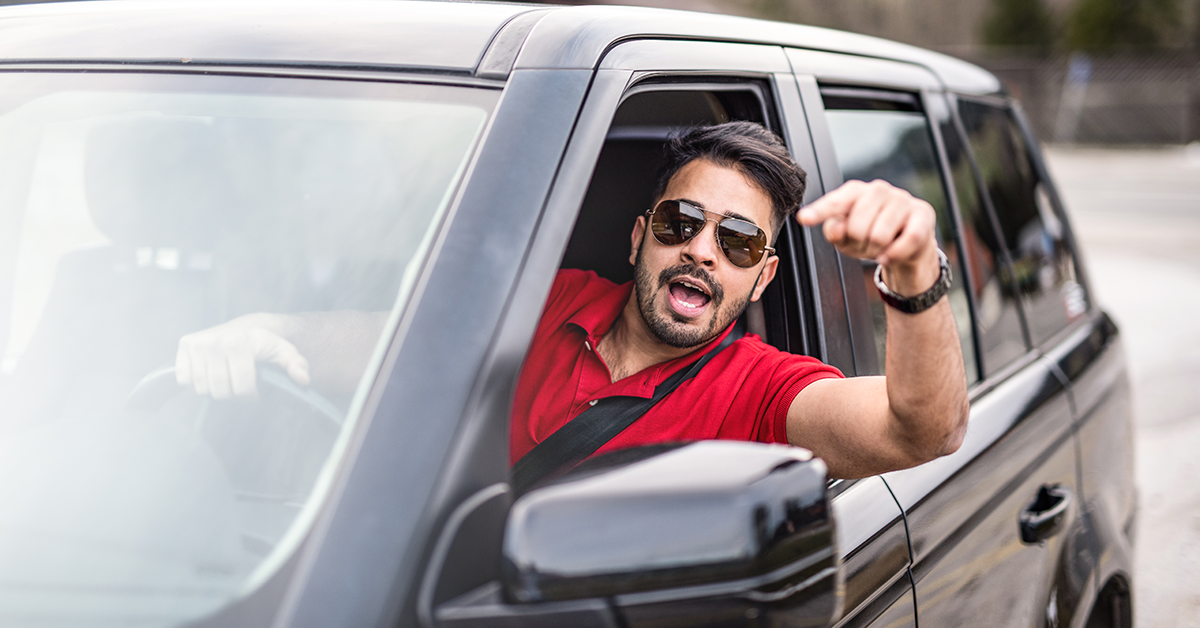
If it feels like impatience and hostility are the new norm on the road, you’re not wrong. According to a finding from the AAA Foundation for Traffic Safety (AAAFTS), almost every driver—96% of motorists—admitted to engaging in aggressive driving behaviors over the past year.
Aggressive driving has become a near-universal experience, encompassing everything from speeding and tailgating to intentionally cutting off other vehicles. But new research shows this crisis goes beyond simple anger; it’s driven by the contagious nature of bad habits and the surprising psychology of the vehicle you choose.
The contagious culture of aggression
One of the most profound findings from the AAAFTS study is that aggressive driving is self-fulfilling and contagious.
The environment you drive in acts as the strongest predictor of your own behavior. The study found that a local "aggressive driving culture"— the extent to which drivers witness or experience aggressive behavior in their area—was the most salient predictor of a driver engaging in high levels of aggression. This effect creates a feedback loop: the more hostility you see, the more likely you are to engage in aggressive behavior yourself. Drivers who experienced the most aggressive cultures had high engagement prevalence rates nearly four times higher than those in the least aggressive cultures.
The car as a sanctuary and status symbol
The study uniquely investigated how the vehicle itself contributes to aggression. Researchers found that drivers often stereotype certain types of vehicles—specifically, sports cars, big trucks, and motorcycles—as more aggressive.
The car is often viewed as an extension of the driver’s personality, affecting both how they behave and how others judge them. Aggressive driving engagement was significantly associated with drivers who strongly agreed with statements like, “I see my vehicle as a sanctuary from daily life,” and “I see my vehicle as an extension of my personality”. Furthermore, some drivers reported feeling more powerful and dominant when behind the wheel of these vehicles, which allowed them to intimidate others.
Interestingly, there appears to be a link between care and caution: drivers who make sure to follow the suggested maintenance schedule for their vehicle showed a lower prevalence of high aggressive driving engagement across various behavioral themes.
Aggression driven by anxiety and self-defense
While anger and frustration are the classic culprits, the research revealed more nuanced motivations for hostile driving.
The single most common motivation reported by self-identified aggressive drivers (65%) was not rage, but "to avoid dangerous situations on the road," suggesting that many view their aggressive maneuvers as necessary self-defense to maintain control in a chaotic environment.
half of drivers surveyed (49%) reported feeling anxious the last time they drove aggressively. This anxiety is often connected to a perceived lack of control behind the wheel. Some participants in focus groups also admitted to experiencing positive emotions like pleasure, fun, or a "thrill" when driving dangerously.
The rise of hostility and the simple solution
The data showed a worrisome rise in specific confrontational acts since 2016. The frequency of cutting off other vehicles is up 67% and honking out of anger is up 47%. These behaviors fall into themes like "putting others at risk" and "expressions of displeasure". Alarmingly, 11% of drivers admitted to engaging in violent behaviors, such as intentionally confronting another driver or using their car to harm another vehicle.
However, the study offers a simple, powerful solution: good manners. Road etiquette and manners were identified as a protective factor against aggressive driving. Drivers who prioritized good manners as important were significantly less likely to have high levels of engagement in aggressive driving across all measured themes.
AAA encourages drivers to prioritize courtesy and safety. Simple actions—such as using turn signals, letting others merge, and offering a friendly wave—can help de-escalate tension and improve the safety of the commute for everyone.
To control your own impulse toward road rage, AAA suggests three key tips:
- Breathe before you react: A deep breath can reset your drive.
- Don’t take the bait: Ignore and avoid aggressive drivers.
- Choose time over tension: Leave early, give space, and arrive safe.
Trouble on the road isn’t predictable, but great coverage from AAA Insurance is. Get a quote from AAA Insurance to protect you from whatever the future brings.