









Why are there so many deer on the roads right now?
Why are there so many deer on the roads right now?
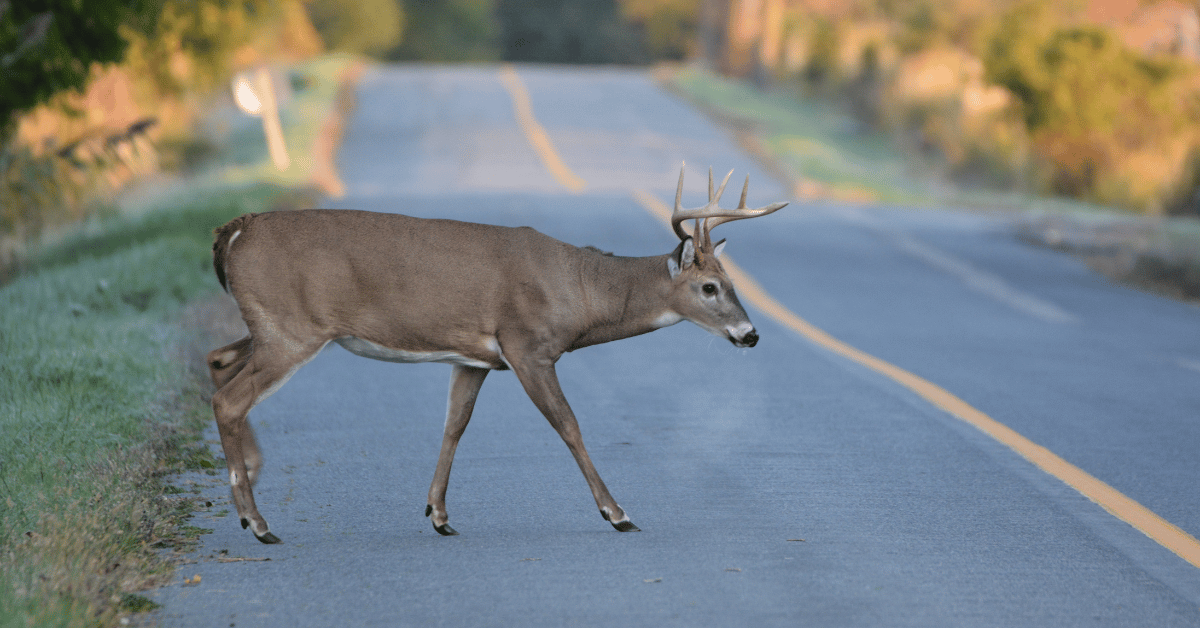
There are plenty of telltale signs of fall in Western and Central New York that we all recognize. The leaves changing from green to golden yellow, bright orange, and vivid red. The sun setting before you pull into the driveway after work. And unfortunately, a sharp increase in deer-related car accidents. But why are deer-related crashes so much more common this time of year?
It's not your imagination — it's deer mating season
White-tailed deer, the most common deer species in our area, enter their mating season in October. Just as we notice the sun setting earlier, the deer notice it, too. According to WorldDeer.org, the shift from summer to fall causes testosterone to surge among male deer. New York State Department of Environmental Conservation Big Game Section Head Brendan Quirion told AAA that female deer play a part, too. Seasonal changes also trigger estrus in female deer, the period when they're in heat and ready to reproduce.
During mating season, male deer enter a period known as the rut, when they compete with other males for the opportunity to mate. This activity typically begins in October and peaks in early to mid-November.
Why your daily commute is especially risky
All of these biological changes increase the chances of deer running into the road. "Deer are more likely to enter public roadways as they search for mates," Quirion explained.
He added that white-tailed deer are crepuscular, meaning they're naturally most active at dawn and dusk. Unfortunately for drivers, those hours also overlap with morning and evening commutes.
And deer's natural movement patterns certainly don't help. Quirion pointed out that deer can bolt or change directions at the last minute. He also mentioned that deer often travel in groups, so if you see one, expect more to follow.
What to do when you spot a deer
The first thing Quirion advises drivers to do is decrease speed when approaching deer near the roadside. He also recommends honking your horn to help deer avoid entering the roadway and using your emergency lights or headlight signal to warn other drivers.
If a deer bolts into the road, Quirion says drivers should brake firmly, but avoid swerving, which could cause a collision with another vehicle, tree, or utility pole.
If you hit a deer, Quirion said the DEC advises drivers to stay away from the animal. "A frightened, wounded deer could use its powerful legs and sharp hooves to cause harm," he said. You should call the police, especially if the deer is blocking traffic.
Quirion also reminded drivers that collisions resulting in injury, death, or more than $1,000 in property damage must be reported to the New York State Department of Motor Vehicles within 10 days. Drivers can complete and submit the official crash report form.
Stay alert this fall
Deer mating season is a natural part of fall in Western and Central New York, but it can create dangerous situations for drivers. As the days grow shorter and deer activity increases, a little extra caution behind the wheel can go a long way toward keeping both drivers and local wildlife safe.
Deer are a hot topic
Check out more of our coverage on animal-related crashes and road safety:
The Top 10 Counties for Animal Crashes in New York State
You Hit an Animal in the Road. Now What?