










AAA Shares Motorcycle Safety Tips Ahead of National Motorcycle Ride Day
AAA Shares Motorcycle Safety Tips Ahead of National Motorcycle Ride Day
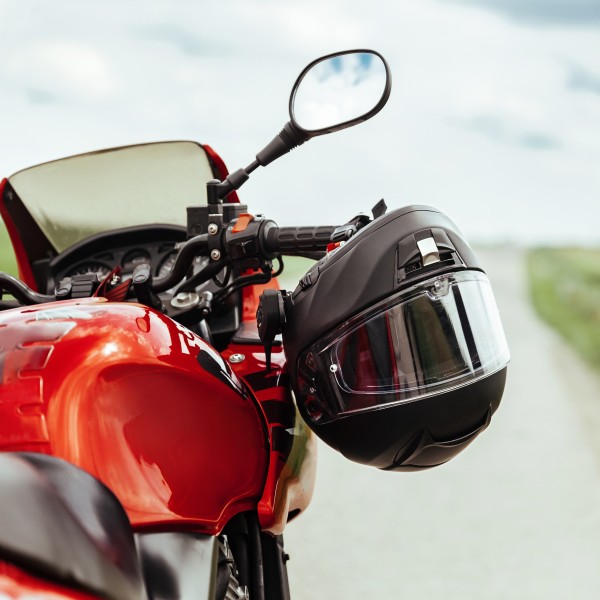
National Motorcycle Ride Day is celebrated on the second Saturday in October, falling on October 10. As riders take advantage of the fall season, AAA Western and Central New York is reminding both drivers and bikers of key safety tips.
The latest data from the National Highway Traffic Safety Administration (NHTSA):
- 6,228 motorcyclists were killed in crashes in 2024, down slightly from 6,335 in 2023, but still one of the highest figures on record since 1975.
- Motorcycle fatalities accounted for 16% of all fatal crashes in 2024.
- Per vehicle miles driven in 2024, motorcyclists were almost 27 times more likely than passenger car occupants to die in a motor vehicle crash and were almost 5 times more likely to be injured.
According to the Insurance Institute for Highway Safety (IIHS), the number of on-road motorcycles registered in the U.S. has risen over the last ten years, more than doubling from 4.3 million in 2002 to 8.8 million in recent years.
As an advocate for traffic safety, AAA works to educate drivers and riders to reduce crashes and improve safety for all roadway users. Everyone can do their part to safely share the road.
As a driver:
- Check mirrors and blind spots for motorcyclists before entering or leaving lanes of traffic and at intersections. Most multi-vehicle motorcycle crashes occur when drivers did not see the motorcyclist.
- Signal before changing lanes or merging with traffic. Even when signaling, allow enough time to determine a motorcyclist's intention before you proceed.
- Increase following distance behind motorcycles and provide time to maneuver or stop in an emergency.
- Never try to share a lane with motorcycles – they have the same right to lanes as any other vehicle.
As a motorcyclist:
- Before you ride, check tire pressure and tread depth. Make sure brakes, headlights, and signal indicators are in working order.
- Make sure any cargo is secure/balanced, adjust suspension and tire pressure to accommodate extra weight.
- Always ride with a helmet that meets the U.S. Department of Transportation Federal Motor Vehicle Safety Standard – look for the “DOT” symbol on the back. Helmets save lives and are required in New York State.
- Wear other protective gear, such as gloves, a jacket, and pants.
- Make yourself visible. Keep your lights on, wear bright colors and use reflective tape, even during the daytime. Position yourself in the lane where drivers can see you.
- Follow traffic laws, always use turn signals, and combine hand signals with turn signals when you can to make your intentions even more clear.
- Never ride impaired – alcohol and drugs, including some prescription medications, negatively affect your judgment, coordination, balance, throttle control, and ability to shift gears. They also impair your alertness and reduce your reaction time.