











Fall Back Safely: AAA Urges Caution as Darkness Arrives Earlier
Fall Back Safely: AAA Urges Caution as Darkness Arrives Earlier
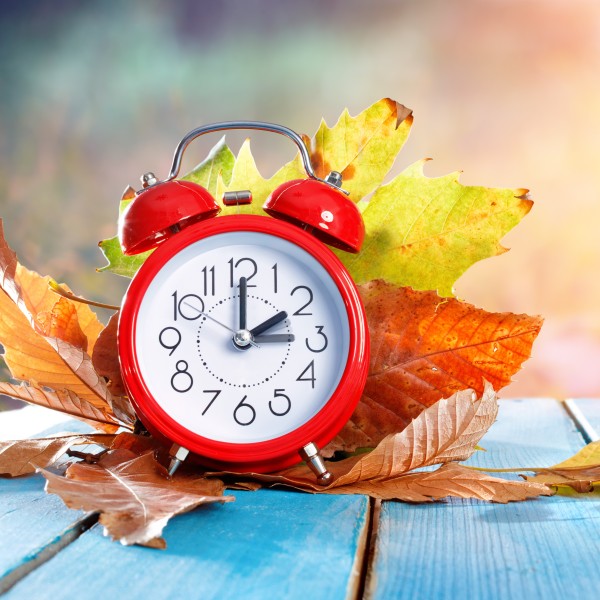
With daylight saving time ending Sunday, November 1, at 2:00 a.m., Americans will “fall back,” turning their clocks back one hour to standard time. Although many motorists will enjoy an extra hour of sleep, they should stay alert to the time change and any disruptions to their usual routines. The shift can create additional dangers, especially behind the wheel.
An earlier sunset and longer periods of darkness can increase risks for everyone on the road, especially pedestrians, bicyclists and other vulnerable road users. Drivers, pedestrians, joggers, walkers and cyclists should take extra precautions to remain visible and alert as daylight decreases.
“As we fall back, drivers need to stay especially alert during the evening commute as darkness arrives earlier and more people are out walking, exercising or traveling home from school and work,” said AAA Western and Central New York Director of Public Relations and Corporate Communications Elizabeth Carey. “Now is a good time to eliminate distractions, slow down and be prepared for changing road conditions.”
Driver Safety Tips
Drivers can reduce their risk by taking a few simple precautions:
- Watch carefully for pedestrians when backing out of driveways or parking spaces.
- Turn on headlights at dusk and whenever visibility is reduced.
- Leave extra following distance between vehicles, especially during sunrise and sunset, when glare can impair vision.
- Stay alert for children and pedestrians who may be outdoors during darker afternoon and evening hours.
- Eliminate distractions, including cell phone use, and ensure vehicle clocks and settings are updated following the time change.
- Be especially vigilant for deer and other wildlife. New York reported 36,743 animal-related crashes in 2024, averaging one crash approximately every 15 minutes, many occurring during dawn, dusk and nighttime hours.
Pedestrian Safety Tips
Pedestrians can improve their safety by:
- Wearing reflective or light-colored clothing and carrying a flashlight when walking at night.
- Staying in well-lit areas whenever possible.
- Using sidewalks and designated pathways.
- Walking facing traffic when sidewalks are unavailable.
- Making eye contact with drivers before crossing the street and never assuming a driver can see you.
Driving After Dark
With daylight saving time ending, more drivers will find themselves commuting in darkness. AAA recommends:
- Reducing speed and increasing following distance to at least four seconds behind the vehicle ahead.
- Keeping your eyes moving and scanning the road for pedestrians, cyclists and other hazards.
- Looking toward the edges of objects rather than directly at them in low-light conditions for improved visibility.
- Avoiding the glare of oncoming high beams by focusing on the right edge of the roadway until the vehicle passes.
Check Your Headlights
Nearly half of traffic fatalities occur at night, making proper headlight performance critical for safe driving.
- Inspect headlights for clouding, yellowing or reduced brightness.
- Consider professional restoration or replacement if lenses have become dull or discolored.
- Have headlights checked regularly, particularly if the vehicle is more than three years old.
- Headlight restoration and replacement services are available at most repair facilities, including AAA Approved Auto Repair locations.
School Safety
As darkness arrives earlier, more children will be traveling home from school during low-light conditions.
- Slow down in school zones, neighborhoods and residential areas.
- Watch for children crossing streets or walking along roadways.
- Remember that a pedestrian struck by a vehicle traveling at 25 mph is significantly more likely to survive than one struck at higher speeds.
Check for Vehicle Recalls
As part of any seasonal vehicle checkup, motorists should verify that their vehicle is free of open safety recalls.
- The National Highway Traffic Safety Administration's free SaferCar app allows drivers to receive recall notifications and access important vehicle safety information.
Daylight saving time begins on March 14, 2027. Efforts to eliminate the clock changes, such as the Sunshine Protection Act that passed the Senate in March 2022 and was approved by the House of Representatives in July, and is stalled in the U.S. Senate Committee on Commerce, Science, and Transportation with no floor vote currently scheduled.