










National Move Over Day is October 18
National Move Over Day is October 18
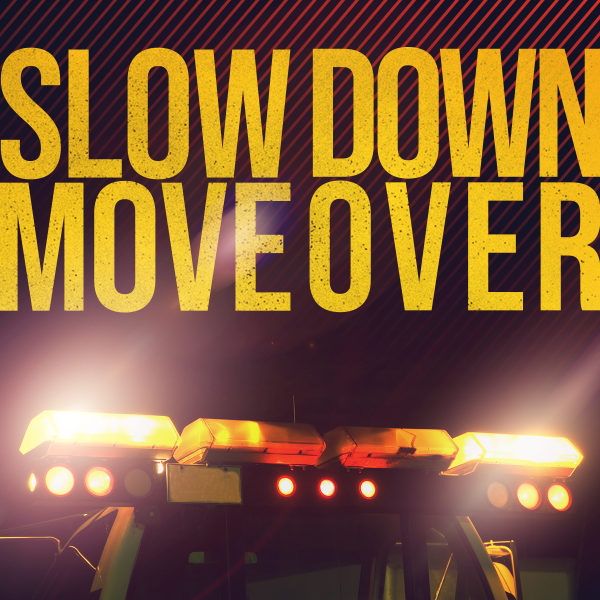
October 18 is National Move Over Day, recognized on the third Saturday of October every year. Last year, New York’s Slow Down/Move Over requirement expanded to include disabled vehicles that are parked on the shoulder of a controlled access highway or parkway, requiring drivers to exercise caution when approaching a disabled vehicle.
According to AAA analysis of data obtained from National Highway Traffic Safety Administration's Fatality Analysis Reporting System (FARS), 1,703 people were struck while outside of a disabled vehicle in the U.S. from 2016-2020. 37 of those were fatalities that occurred right here in New York State.
AAA Western and Central New York Fleet Manager Jeremy Harrington says AAA supports the Move Over law to protect both roadside workers and stranded motorists, “Safety is what AAA represents - taking care of our members and people on the roadside. We support the Slow Down, Move Over campaign by ensuring our drivers practice safe driving habits every time they get behind the wheel. AAA is reminding all drivers to Slow Down, Move Over when they see a roadside incident.”
Research from the AAA Foundation for Traffic Safety finds that 42% of drivers who do not comply with Move Over laws think that their behavior is not dangerous to people on the roadside. Drivers may not realize how risky it is for workers or stranded motorists alongside moving traffic.
AAA offers the following tips when motorists spot emergency or utility vehicles on the road:
• Always remain alert: Avoid distractions and focus on the task of driving.
• Watch the road: Look for situations where emergency vehicles, tow trucks, utility service vehicles or disabled vehicles are stopped on the side of the road.
• Approach with caution: When approaching an emergency vehicle with lights flashing on the side of a two-lane roadway, drivers should slow down to a speed that is safe and approach with caution unless otherwise directed by an emergency worker on the scene.
• Move Over: On multi-lane roadways, slow down when you see the flashing lights of an emergency vehicle at the roadside and, if possible, move over into an adjacent lane.
• Go Slow: If you are unable to switch lanes, slow to a speed that is safe and reasonable. Some states recommend slowing to a speed that is 10-20 mph less than the posted speed limit.
Additionally, according to research by the AAA Foundation, 63 percent of crashes that resulted in roadside assistance providers being struck and killed occurred when the striking vehicle had already left the road and was traveling on the shoulder or beyond before impact. This suggests the involvement of factors such as impairment, fatigue, or distraction. More than one third of striking drivers who were tested for alcohol were alcohol-positive, but nearly half were not tested. Learn more at www.AAA.com/SDMO.