












Hazardous Weather Forecasted Across the Region
Hazardous Weather Forecasted Across the Region
Strong to severe thunderstorms are expected to blossom Tuesday afternoon and evening ahead of a strong cold front, according to the National Weather Service. Most of Western and Central New York is under an enhanced risk for severe thunderstorms, which could lead to damaging winds, large hail, an isolated tornado and flash flooding.
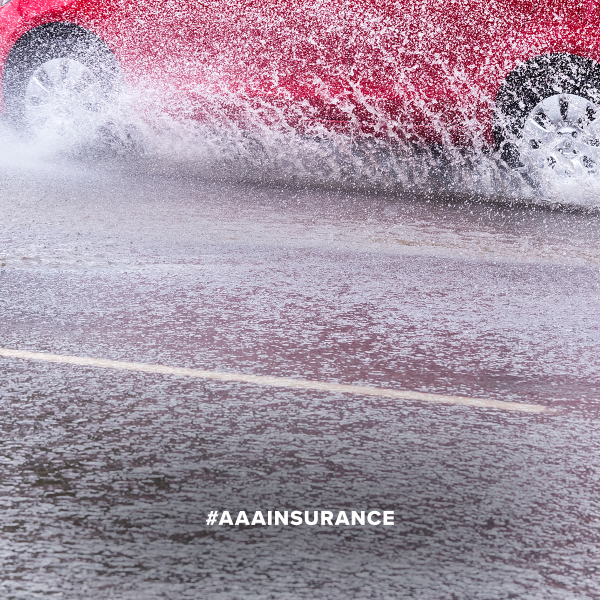
Drivers should use caution when driving in the rain, including slowing down, paying close attention to the road and other drivers, and avoiding using cruise control in wet road conditions. Slowing down during wet weather driving can be critical to reducing a car’s chance of hydroplaning, which is when the tires rise up on a film of water. With as little as 1/12 inch of water on the road, tires have to displace a gallon of water per second to keep the rubber on the roadway.
To reduce chances of hydroplaning, drivers should slow down, avoid hard braking or turning sharply, and drive in the tracks of the vehicle ahead of you. Also, it’s important for motorists to allow ample stopping distance between cars by increasing the following distance of the vehicle in front of them, and beginning to slow down early for stops, turns and other traffic.
AAA Western and Central New York also suggests several steps you can take to protect yourself and your family in anticipation of damaging winds and tornadoes:
• Keep emergency and first aid kits available. These should include a battery-powered or hand-cranked radio, extra batteries, and a three-day supply of food and water.
• Keep cell phones charged and have a portable charger handy in case the power goes out.
• Prepare a family emergency plan that outlines what each family member will do, how they will get to a safe place and how they will get in touch with each other. Identify an out-of-state contact for everyone to call in case local communications are disrupted.
• Learn your children’s school disaster dismissal policy.
• Identify a safe shelter area in your home, away from windows. Choose the interior part of a basement, or an inside room, such as a closet, bathroom or center hallway, on the lowest floor.
• Practice your shelter-in-a-safe-place plan with your family.
• Know where your utility switches are located and how to turn off the gas, water and electricity
Anyone whose homes or vehicles suffer damage during the storm can begin filing insurance claims immediately. Damage should be documented if customers can do so safely. If there is roof damage, let a roofing professional or claims representative photograph it. Cover any broken windows or doors with tarps or plywood to prevent further damage and save receipts to be submitted for reimbursement along with the claim.
To learn more about homeowners insurance and other specialty or auto products, visit www.AAA.com/Insurance or your local AAA branch office.