




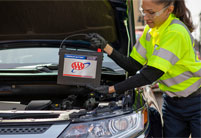








Car batteries present risks of electrocution, acid exposure
Car batteries present risks of electrocution, acid exposure
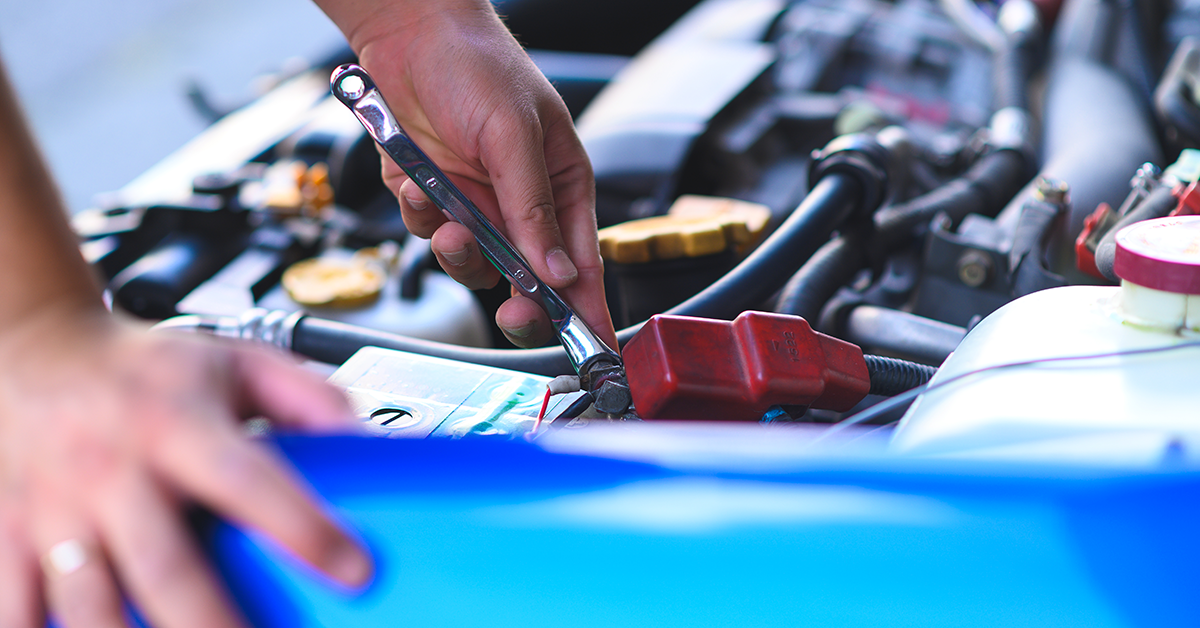
Lead-acid batteries are essential for powering vehicles, backup systems, and industrial equipment. However, they contain hazardous materials, including sulfuric acid and lead, which require careful handling to prevent injury and environmental damage. Whether you're maintaining your own vehicle or working with batteries professionally, following proper safety procedures is crucial.
Protect yourself with essential safety gear
Whenever you handle a lead-acid battery, personal protective equipment (PPE) is your first line of defense. Always wear safety glasses or goggles to shield your eyes from acid splashes, along with rubber gloves and long sleeves to protect your skin. If there’s a risk of acid spraying, such as during battery refilling or maintenance, a face shield adds an extra layer of protection. Avoid wearing loose clothing and jewelry that could accidentally come into contact with the battery terminals.
Safe handling and storage
Lead-acid batteries are heavy, so lift them using the proper technique. Remember to bend your knees, keep your back straight, and use both hands to prevent strain or injury. Once in place, batteries should always be stored upright in a cool, dry, and well-ventilated area, away from direct sunlight and heat sources. Keeping metal objects away from battery terminals prevents short circuits, which can cause sparks or even explosions. Secure storage also ensures that unauthorized individuals don’t mishandle or improperly dispose of the batteries.
Charging and maintenance precautions
When recharging a lead-acid battery, proper ventilation is key. Charging can release hydrogen gas, which is highly flammable. To minimize risks, charge batteries in a well-ventilated space, away from open flames or sparks. Use only the charger designed for the battery type and follow the manufacturer’s instructions to prevent overcharging, which can degrade the battery and increase explosion risks. Regularly inspect batteries for leaks or corrosion, and if you notice acid spills, clean them immediately with a baking soda and water solution to neutralize the acid.
Responsible battery disposal
Lead-acid batteries should never be thrown in the trash or left in storage indefinitely. Because they contain toxic materials, they must be recycled at a designated battery recycling facility. Many automotive retailers and service providers, including [Select AAA/CAA] , offer battery recycling programs to ensure safe and environmentally friendly disposal. If your car battery is dead or failing, [Select AAA/CAA] Battery Service can provide on-the-spot testing and, if necessary, a replacement battery and responsible recycling of your old one.
Emergency response for battery accidents
Despite precautions, accidents can happen. If battery acid spills, neutralize it immediately with baking soda and water, then wipe it up carefully. In the event of eye contact, flush the eyes with clean water for at least 15 minutes and seek medical attention. If acid comes into contact with your skin, wash the area thoroughly with soap and water, and seek medical care if irritation persists.
By following these safety guidelines, you can minimize the risks associated with handling lead-acid batteries while ensuring a safe working or driving environment. And when it comes to vehicle battery issues, AAA Battery Service is ready to assist with expert advice, replacements, and proper recycling—so you can stay powered up without the hassle.