












Car too hot? Cool it down quickly
Car too hot? Cool it down quickly
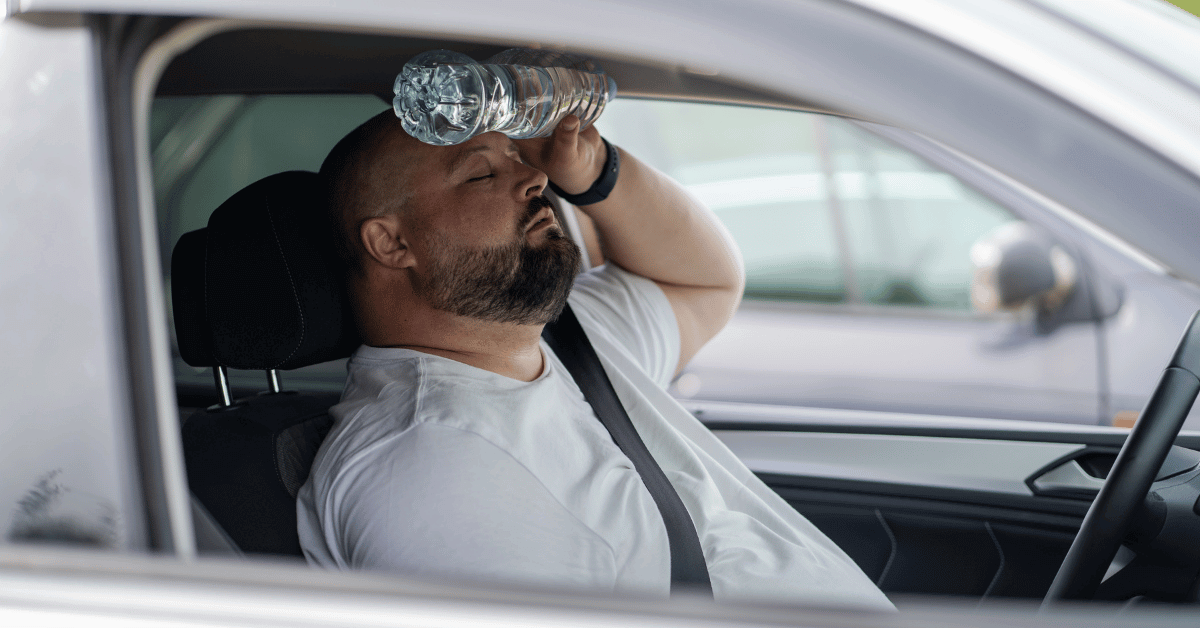
Summer weather brings extreme heat, and your car can quickly become a scorching oven. Temperatures inside of a car, even on a moderately sunny day, can rise 20 degrees in just 10 minutes. The glass windows act as an insulator, and depending on outside temperatures, the interior can reach up to 200 degrees in a short period. This rapid increase makes it crucial to know how to cool your car down quickly, especially given the dangers of hot vehicles.
Start with the “fan method”: Open the passenger-side window, then swing the driver-side door open and closed several times (leave the driver-side window up). This motion pushes hot air out through the open window.
After a few rounds, open additional doors or windows if needed. Once the air feels less stifling, start the car, and turn on the air conditioner in ventilation mode (not recirculate) to flush out remaining heat. If possible, drive the car around a bit, which will aid the cooling process. Leave the windows partially open if hot air lingers in your car.
When the interior begins to cool, close the windows, switch to recirculate mode and crank the A/C to your comfort level for the most efficient cooling.
Many newer models also come with an option to prestart and cool the interior from a key or mobile app.
Lowering your car’s interior temperature is critical for everyone’s safety, especially children. A child’s body heats up five times faster than an adult’s, putting them at serious risk of heatstroke. Never leave a child, pet, or elderly person alone in a car—even for a minute, even with the windows cracked. If you see a child or pet alone in a vehicle, call 9-1-1 immediately.
Tips to keep your car cooler and prevent overheating
Preventing your car from becoming excessively hot in the first place is the most effective strategy. Here are several tips to help keep your vehicle cooler during warm weather:
- Park in the shade: This might mean risking some tree pollen or bird droppings, but it will significantly reduce the interior temperature. If shade is unavailable, try to park with the sun hitting the rear window rather than the front to minimize heat absorption by the steering wheel and front seats.
- Use a sunshade: These windshield covers are effective at blocking harmful rays and helping to keep the interior temperature down. Using a sunshade can also help the car cool faster, reducing the amount of time you need to run the air conditioning on high, which can save on gas.
- Deploy window shades: Especially useful for the back seat where children often sit, these shades block direct sunlight. Some minivans and luxury cars even come with built-in retractable shades.
- Keep leather cool: Leather seats and steering wheels can become hot enough to cause burns. Consider using a towel or a cloth seat cover during summer months to avoid this.
- Watch the buckles: Metal seat belt buckles can get extremely hot in the sun, so use caution when buckling up, particularly with children. Ensure car seat straps remain securely fastened at all times.
- Keep hydrated: Always have bottles of water and ice available to help you stay hydrated. An extra filled water bottle can be a valuable addition to an emergency kit.
- Don't leave certain items in the car: Beyond perishables, direct sunlight can damage items like CDs, DVDs, electronic devices, and toys. Store these in the trunk or remove them from the car if they're not in regular use.
Car maintenance for hot weather
Summer heat also impacts your vehicle's overall performance and can lead to problems if not properly maintained:
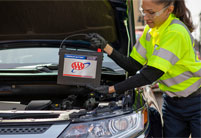
- Battery service: While often associated with winter, summer heat can negatively impact your car’s battery even more than bitter cold. AAA offers battery testing and mobile battery service in most areas.
- Cooling system maintenance: Your car’s engine works harder in the summer heat, and the cooling system is vital for preventing overheating. Proper maintenance of this system is key.
- Tire pressure: Driving on under-inflated tires not only affects handling and braking but can also cause tires to overheat and increase the likelihood of a blowout.
- Check vehicle fluids: Ensure all vehicle fluids, including motor oil, transmission fluid, power steering fluid, and brake fluid, are filled to the appropriate levels.
By combining quick cooling methods with preventative measures and regular car maintenance, you can significantly reduce the discomfort and potential dangers associated with hot cars during the summer.
Combine comfort with safety by following these heat-beating tips—and keep your vehicle running its best with routine summer maintenance. AAA Members can count on trusted service at our Approved Auto Repair locations.