










Stuck in the snow: What should you do?
Stuck in the snow: What should you do?
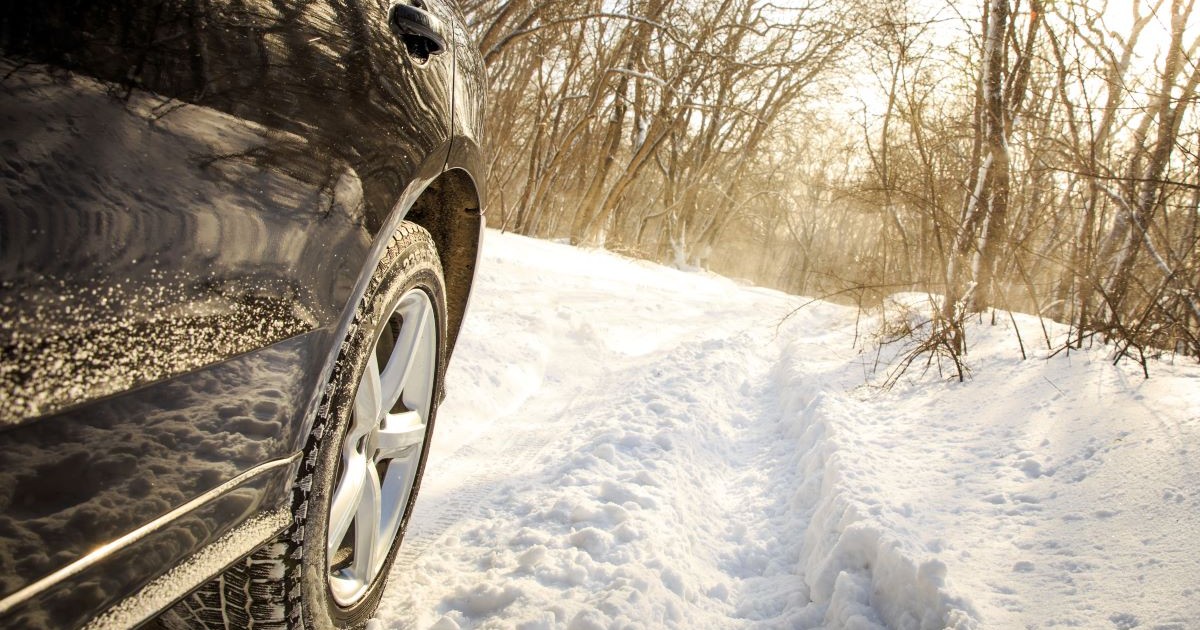
As a new year begins, make a resolution to practice patience and safe driving habits – especially in wintry conditions.
Start before you even get in the car. Build in extra time to get to your destination so you’re not rushing. Thoroughly brush off your vehicle so blowing snow doesn’t create a visibility issue for other drivers. Make sure the wipers are free of ice before driving to ensure your visibility won’t be impacted as well.
About 46 percent of crashes involving bad weather take place in the winter, making this the worst time of year for driving in treacherous conditions. AAA’s top three driving tips for driving in snowy conditions include slowing down, increasing space between your car and other vehicles, and braking, THEN turning.
What if you get stuck in the snow?
Snowy and icy winter weather conditions can lead drivers to getting their cars stuck in the snow. Drivers can free themselves by following these actions:
- Clear a path in front of your wheels for several feet by driving forward and backward or shoveling.
- With your wheels pointed straight to minimize rolling resistance, shift to "drive" (or second gear for manual transmissions) and apply gentle pressure to the accelerator, WITHOUT spinning the wheels. If you let the wheels spin, you will only dig deeper into the snow.
- If you need more traction, use traction mats, kitty litter, or one of the abrasive materials that you included in your emergency winter driving kit. Do not let anyone stand directly ahead or behind the drive wheels.
- If you are still stuck, rock your vehicle out of the rut by applying the accelerator slowly in low gear, releasing when you stop moving forward, and re-applying when you stop rolling backward. Repeat in rapid succession using minimum power to avoid spinning wheels.
- Try to avoid driving when visibility is poor. If you must drive, keep your speed low, use your low-beam headlights, and pull off to a safe spot if conditions worsen.
If your vehicle does go off the road, remain calm, and stay in your car with your seat belt on. If you are in an emergency, call 911. Only exit the vehicle to clear the tailpipe of deep snow to ensure proper ventilation, then return to the car, put your seat belt on, and keep your window cracked open a bit until help arrives.
Tips for driving in the snow
- Accelerate and decelerate slowly. Applying the gas slowly to accelerate is the best method for regaining traction and avoiding skids. Don’t try to get moving in a hurry. Remember: It takes longer to slow down on icy roads.
- Increase following distances. The normal dry pavement following distance of three to four seconds should be increased to eight to 10 seconds. This increased margin of safety will provide the longer distance needed for stopping.
- Use threshold braking. Whether you have antilock brakes or not, the best way to stop is threshold braking. Keep the heel of your foot on the floor and use the ball of your foot to apply firm, steady pressure on the brake pedal.
- Don’t power up hills. Applying extra gas on snow-covered roads may only result in spinning your wheels. Try to get a little inertia going before you reach the hill and let that inertia carry you to the top. As you reach the crest of the hill, reduce your speed and proceed downhill as slowly as possible.
- Don’t stop going up a hill. It’s difficult to move up a hill on an icy road. If possible, get your vehicle moving on a flat roadway first before taking on a hill.
- If possible, stay home. If you really don’t have to go out, don’t. Even if you can drive well in the snow, not everyone else can.
Winter driving: What NOT to do
1. Don’t continue at the same speed you would be traveling in clear, dry conditions.
• Rain, snow and ice can dramatically reduce your tire traction.
• Drivers should slow down to regain the traction that is lost due to the weather.
2. Do not brake and turn at the same time or be rough with your steering/braking.
• Asking your vehicle to do two things at a time makes it more likely that your tires will lose traction.
• Brake first, then turn, then accelerate.
3. If you’re not gentle with steering, acceleration and braking, your vehicle’s balance can be negatively affected, increasing the chance of experiencing a skid.
• Always steer, accelerate and brake smoothly.
• Slamming on the brakes can make the skid even worse.
• If skidding, continue to look and steer the vehicle in the direction you want to go.
4. Don’t follow behind other vehicles as closely as you would when driving in clear, dry conditions.
• Slick roads mean your vehicle cannot slow down as quickly.
• Increase following distances to eight to 10 seconds.
• Always keep open space to at least one side of your vehicle, in case you need to make a sudden lane change maneuver.
You can't always anticipate how weather will impact your drive or potentially lead to a car accident. Prepare yourself for the unexpected with a reliable auto insurance policy from AAA Insurance. Get a quote today!