












AAA: Early Pothole Season Expected
AAA: Early Pothole Season Expected
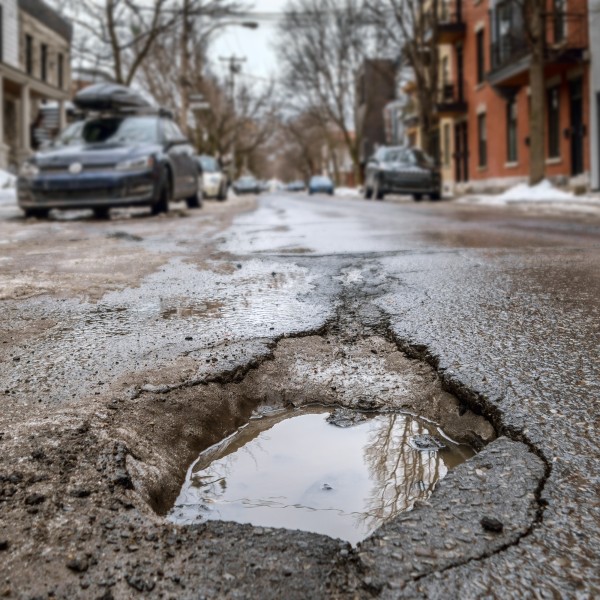
Pothole season is expected to make an early debut in Western and Central New York this year. Cracked and crumbling pavement creates ideal conditions for potholes to form. Moisture seeps into these cracks, causing them to expand and contract with freeze-thaw cycles. Over time, pavement deteriorates and the weight of passing vehicles eventually causes it to form potholes. This year’s harsh winter and extended cold temperatures have taken their toll on area roads, leading to an earlier than expected pothole season!
Potholes can cause significant damage to a vehicle’s tires, alignment, suspension, and shocks. Every month, AAA responds to thousands of tire-related calls across Western and Central New York. Nationwide, AAA handles millions of such requests each winter and spring. Although AAA doesn’t track roadside assistance specifically for pothole damage, it’s clear that many calls during this time are due to vehicles hitting potholes. Tire-related requests make up about 10 to 14% of AAA emergency road service calls each month.
“While we’ve been inundated with requests to service dead batteries this year amid the cold spell, we expect to see more tire-related issues due to potholes now that temperatures are warming up,” said AAA Fleet Manager Jeremy Harrington. “This winter’s harsh conditions could make for an early and rough pothole season.”
In 2023, a AAA survey found that nearly 2 in 10 drivers had to get their vehicles repaired after hitting a pothole. Researchers estimated that pothole-related damage increased by 57% nationwide.
The average vehicle repair cost for pothole damage in 2022 was $406 — with automotive parts and repair costs rising, potholes are certainly even more costly this year. Some drivers experience multiple pothole-related repairs each season, highlighting the urgent need to fix America’s roadways. AAA urges government officials to focus on improving road conditions and prioritizing funding for roads, especially in areas most in need of repair.
How to Save Your Car and Your Wallet from Pothole Damage
Check Your Tires, which includes tread depth, tire pressure, suspension, and alignment
- Tread depth—insert a quarter into the tread groove with Washington’s head upside down. If you can see the top of Washington’s head, start shopping for new tires.
- Tire pressure—check this at least once a month before driving when the tires have been at rest and are not hot. Follow the vehicle manufacturer’s recommended inflation pressure found on a sticker inside the driver’s side door.
- Suspension and Alignment—look for changes in vehicle handling, excessive vibration or uneven wearing of tires, all indications of a problem with the suspension like alignment or shocks.
Keep Your Eyes on the Road, an alert and cautious driver is less likely to hit a pothole
- Scan the road ahead for potholes and if it’s safe to do so, drive around any in your path.
- Standing water or puddles may disguise a deep pothole. Avoid driving through standing water when possible but if you can’t, drive through slowly.
- If you can’t avoid a pothole, reduce your speed safely and avoid braking abruptly, particularly as you go over the pothole. Striking a pothole at higher speeds increases the chance of knocking the wheels out of alignment, affecting the steering, and bending or even breaking suspension components.
If you hit a pothole, pay attention to any new or unusual noises or vibrations. If you detect something is off with your vehicle, take it to a trusted repair facility for a full vehicle inspection as soon as possible.