











Daylight Saving Time Begins, Don’t Drive Drowsy
Daylight Saving Time Begins, Don’t Drive Drowsy
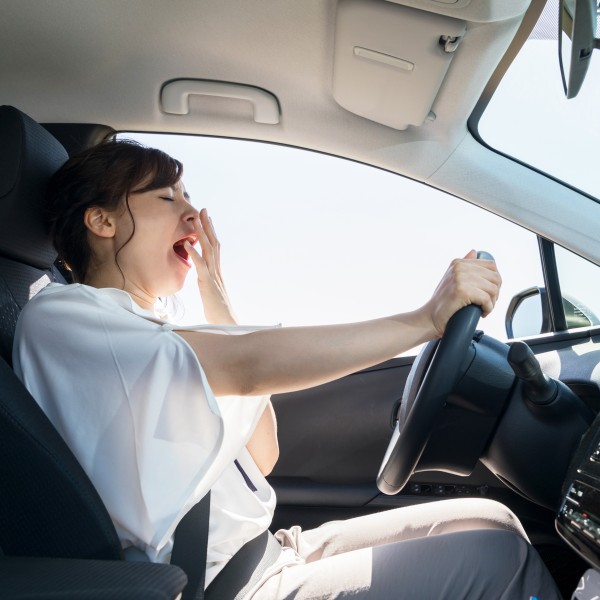
It’s time to “spring forward” and set clocks ahead one hour beginning Sunday, March 8 at 2:00 a.m. Losing an hour of sleep and the change in daylight hours means motorists may potentially experience drowsy driving and added distractions behind the wheel as children and pedestrians deal with darker mornings.
A 2024 survey by the AAA Foundation for Traffic Safety (AAA FTS) finds that drivers perceive drowsy driving to be very or extremely dangerous (93%); however, 25% of drivers reported having engaged in the behavior in the past 30 days. Meanwhile, previous research finds 18% of all traffic fatalities between 2017 and 2021 were estimated to involve a drowsy driver, accounting for nearly 30,000 deaths. 6,725 estimated lives were claimed by drowsy drivers in 2021 alone.
These figures are far higher than official government statistics, highlighting the underreported nature of drowsy driving crashes, which could be ten times higher than traditional data suggests. “Difficulty in detecting drowsiness following a crash can lead to underreporting,” explains AAA Driver Training Manager Mike Formanowicz. “Drivers, please be attentive to signs of drowsy driving like difficulty keeping your eyes open, drifting out of your lane, or not recalling the last few miles you've traveled. If you notice any of these, it's best to find a safe place to pull over and rest. Safety first!”
Drowsiness impairs drivers in several ways:
- Reduced alertness: Makes it harder to react quickly to hazards. Just one hour less than the expert-recommended minimum of 7 hours of sleep increases a driver’s risk of crashing.
- Impaired judgment: Increases the risk of making poor decisions on the road. Sleep deprivation increases a driver’s risk of making many ordinary mistakes, leading to crashes. Those deprived of sleep by 4+ hours have an impairment similar to those over the legal BAC limit.
- Hazardous Microsleeps: Can cause momentary lapses in consciousness, leading to loss of control of the vehicle and failure to respond to dangers on the road.
- Self-Perception of Drowsiness: Previous Foundation research found that drivers often underestimate their drowsiness, putting themselves and others at risk.
So, what can you do to stay safe on the road?
- Get enough sleep before driving. Aim for at least seven hours of sleep per night.
- Travel at times of the day when you are normally awake. Avoid driving when you are tired or sleepy.
- Take breaks every two hours or 100 miles. Get out of the car, stretch your legs, and get fresh air. Plan and identify safe, comfortable places to take breaks. Don’t wait until you’re already feeling drowsy.
- Avoid heavy meals before driving. Eating a large meal can make you feel tired and sluggish.
- Avoid alcohol and drugs. Both can impair your driving ability and amplify drowsiness.
- Listen to your body. If you start to feel tired, pull over and take a break. Don't try to push through it.
- Travel with an alert passenger and take turns driving. Sharing the driving can help you stay awake and alert.
- Don't underestimate the power of a quick nap. A 20- to 30-minute nap can significantly improve your alertness.
As evenings become brighter with more daylight, children, pedestrians, joggers, and bicyclists will likely become more active outdoors. AAA tips for pedestrians:
- Dress in reflective clothing and cross at intersections or crosswalks.
- Look left, right and left again and only cross when it is clear.
- Do not jaywalk or cross between parked cars.
- Avoid walking in traffic where there are no sidewalks or crosswalks. If a sidewalk isn’t available, walk facing traffic.
AAA supports the development of vehicle technology that can detect drowsiness and prevent drivers from operating a vehicle when impaired. This technology could help to save lives by preventing drowsy driving crashes.