









Is road rage getting worse?
Is road rage getting worse?
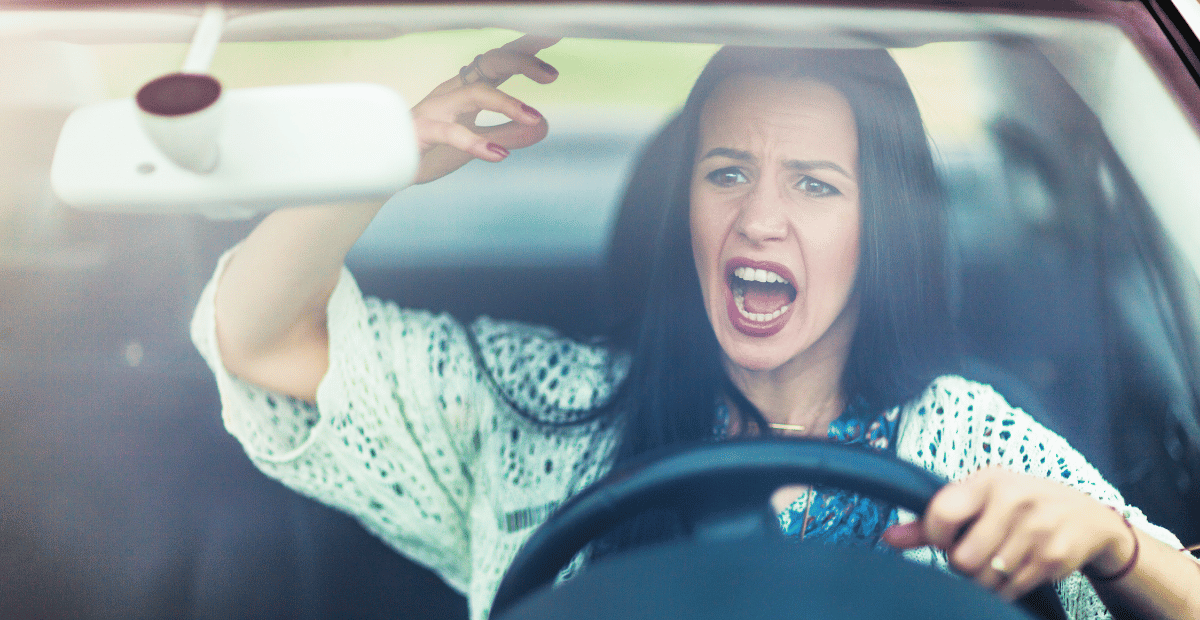
Take a spin on a local road and you're very likely to encounter other drivers speeding, tailgating, or worse. It seems like drivers are angrier and more impatient than ever — and it turns out, you're not imagining it. A September 2025 study from the AAA Foundation for Traffic Safety found that 96% of drivers have experienced aggressive driving in the past year.
For Jason Brown, a resident of Chili, NY, it hits close to home, literally. "Aggressive driving is a common occurrence outside our house," he said. "People speeding, riding bumpers, and passing on double solid lines. We don't let our kids play in the front yard because of it."
Road rage isn't just frustrating — it's contagious. The more aggression you encounter on the road, the more likely you are to respond in kind. So, what's fueling this cycle, and what can you do when you encounter an aggressive driver in the wild?
Why road rage is everyone's problem
If you've ever sped up because every other car was flying past you, you already understand why road rage spreads. According to the Foundation for Traffic Safety study, the single biggest predictor of aggressive driving is the driving culture around you. The more aggression you're exposed to on the road, the more likely you are to drive aggressively yourself. When everyone on the Thruway is doing 80, going the speed limit starts to feel dangerous — and suddenly, you're part of the problem.
Road rage is also instinctual. Someone cuts you off, and something in you wants to cut them off right back. Retaliation feels like justice in the moment, even when it just passes the aggression down the road to the next driver.
And then there's the etiquette piece. Small acts of bad manners, like not using a turn signal or failing to give a thank-you wave after someone lets you in can be enough to push an otherwise calm driver over the edge. And then the response is often disproportionate to the original offense.
The result is a feedback loop that's hard to break. When aggression becomes the norm, following the rules can actually make you feel like the odd one out. But while you can't control how other drivers behave, you can control how you respond.
What to do when another driver loses it
If you find yourself sharing the road with an aggressive driver, the safest thing you can do is resist your natural urge to react. Here's what AAA recommends:
- Don't engage. No eye contact, no gestures, no response. Acknowledging an aggressive driver can escalate the situation faster than you'd expect.
- Give them space. Let them pass you and keep your distance. The goal is to put as much road between you and them.
- Protect yourself. If you feel genuinely threatened, call 911. And never drive home if someone is following you. Go to a public place instead.
What if you're the problem
Most of us have been there. Here's how to keep yourself in check:
- Breathe before you react. One deep breath can genuinely reset the moment.
- Don't take the bait. Ignore aggressive drivers and avoid engaging. Their bad day doesn't have to become yours.
- Leave early. A lot of road rage starts with running late. Give yourself more time than you think you need, and the urgency that fuels aggression starts to dissolve.
It's really about manners
At the end of the day, road rage isn't really a driving problem - it's a people problem. Think about the last time you were stuck in a slow checkout line at the grocery store and felt your patience wearing thin. Or watched someone lose it at a store associate over something that, in the scheme of things, just doesn't matter that much. The road brings out the same impulses, but adds speed, anonymity, and a two-ton vehicle.
The Foundation for Traffic Safety study found that drivers who valued good manners were actually less likely to drive aggressively. Simple acts like using your turn signal or letting someone merge don't just make the road more pleasant. They interrupt the cycle.
And the next time someone cuts you off or rides your bumper, consider this: you have no idea what that person is carrying. Compassion is a choice that keeps you out of the road rage tornado and gets you home safer.
The road is a shared space. How we treat each other on it says a lot about who we are off it.
Helping a teen get their license? AAA's Licensed to Learn program gives new drivers the skills to stay safe — and they have a 62% lower accident rate in New York State.