












Drivers Need to Wake Up to the Dangers of Drowsiness
Drivers Need to Wake Up to the Dangers of Drowsiness
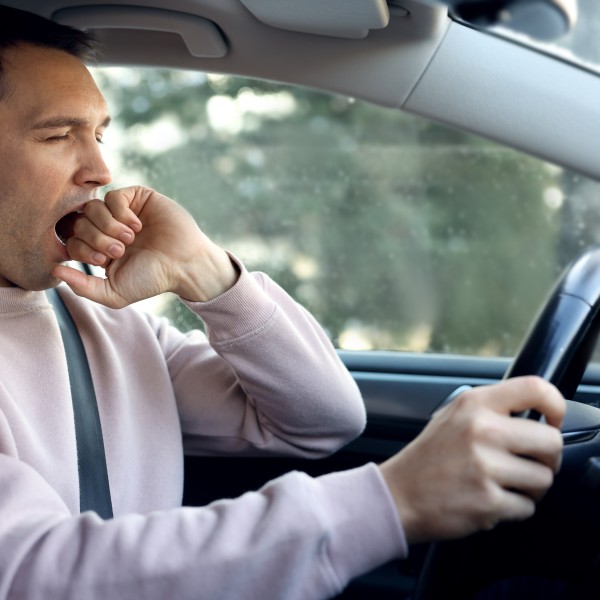
November 1-7, 2026 is Drowsy Driving Prevention Week. It is held each year as Daylight Saving Time ends. After falling back, and gaining an hour, some drivers are surprised to learn that the time change can impact their daily routine, which makes this week an ideal time to raise awareness of the importance of proper sleep and the dangers of drowsy driving. Drowsy driving is now referred to as the “fourth D” along with drunk, drugged, and distracted as major causes of impaired driving.
“Drowsy driving is so prevalent that the majority of drivers have likely experienced it,” said Elizabeth Carey, Director of Public Relations at AAA Western and Central New York. “Most drivers don’t realize that drowsiness behind the wheel can be deadly, and it’s likely to blame for many more crashes than statistics portray since it’s often underreported.”
A 2024 survey by the AAA Foundation for Traffic Safety (AAA FTS) finds that drivers perceive drowsy driving to be very or extremely dangerous (93%); however, 25% of drivers reported having engaged in the behavior in the past 30 days. AAA FTS research finds 18% of all traffic fatalities between 2017 and 2021 were estimated to involve a drowsy driver, accounting for nearly 30,000 deaths.
The National Highway Traffic Safety Administration (NHTSA) reports 644 deaths due to drowsy driving in 2024. However, drowsy driving in motor vehicle crashes is difficult to measure. Police reports may indicate that a driver was drowsy, but data derived from these reports are widely regarded as substantial underestimates of the true scope of the problem.
According to the National Sleep Foundation (NSF), which leads Drowsy Driving Prevention Week activities, 40% of drivers don’t recognize basic warning signs of drowsiness like blinking, head nodding, and lane drift. Drowsy driving remains a major public health and safety issue in the U.S. causing more than 1 in 5 crash-related fatalities.
Young Drivers at Risk: Drowsy driving affects drivers of all ages, and notably younger drivers. Many teens do not get enough sleep at a stage in life when their biological need for sleep increases, which makes them vulnerable to the risk of drowsy-driving crashes, especially on longer trips.
Prevention: Crashes related to drowsiness occur most frequently between midnight and 6 a.m., or in the late afternoon. At both times of the day, people experience dips in their circadian rhythm, the human body’s internal clock that regulates sleep. Getting adequate sleep on a daily basis is the only true way to protect yourself from drowsy driving.
While the signs of drowsiness should never be ignored, drivers must not wait for their bodies to sound the alarm. They should prioritize sleeping at least seven hours before hitting the road.
AAA recommends that drivers:
- Travel at times of the day when they are normally awake
- Avoid heavy foods
- Avoid medications that cause drowsiness or other impairment
For longer trips, drivers should:
- Schedule a break every two hours or every 100 miles
- Travel with an alert passenger and take turns driving
- Do not underestimate the power of a quick nap. Pulling into a rest stop and taking a quick catnap — at least 20 minutes and no more than 30 minutes of sleep– can help to keep you alert on the road.