













Government shutdown: What it means for holiday travel
Government shutdown: What it means for holiday travel
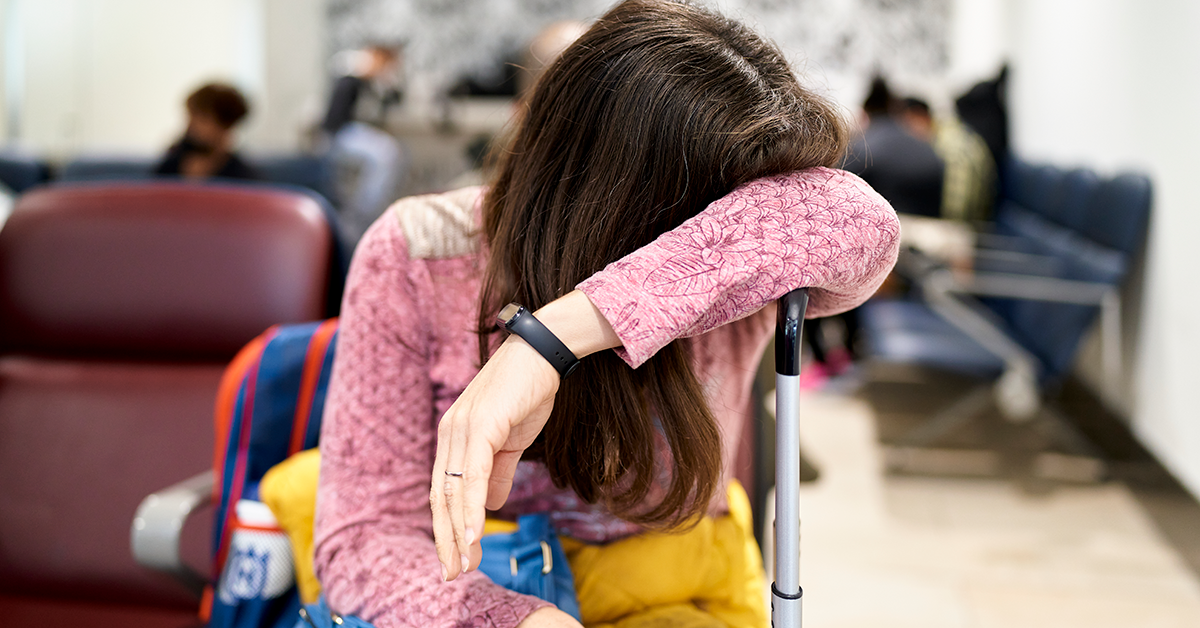
As the holiday season approaches, typically filled with excitement and travel planning, an unwelcome layer of uncertainty has been introduced by the ongoing U.S. government shutdown. The possibility that the shutdown could continue through Thanksgiving is understandably creating anxiety for travelers planning to fly.
While some may choose to adjust their plans, potentially opting to drive or stay home, many will proceed with their trips. For those hitting the roads and skies, understanding the potential impacts and preparing ahead is essential for a smooth journey.
The shutdown’s impact on air travel
While key operations like airports, air traffic control, and TSA passenger processing are currently continuing, a prolonged shutdown threatens significant disruptions. According to USA Today, Transportation Secretary Sean Duffy has warned that if the shutdown drags on, flight delays and cancellations are likely to worsen. If the government doesn't reopen soon, Duffy noted, travelers might look back on the current situation as "the good days". Officials are prepared to delay or cancel flights necessary to ensure public safety.
The root of this vulnerability lies in staffing. Air traffic controllers and Transportation Security Administration (TSA) officers are considered essential workers and are required to report for duty without pay during the shutdown. This financial stress is intense, forcing controllers to consider taking on extra jobs like driving for Uber or DoorDash, or even visiting food banks, according to previous statements by Duffy. This strain, combined with long-standing staffing shortages at the Federal Aviation Administration (FAA) that existed even before the shutdown, creates a fragile system.
A decrease in staff attendance, whether among air traffic controllers or TSA officers, can directly lead to longer security lines and flight delays. Staffing shortages have already triggered isolated delays at some airports as air traffic controllers slow arrival rates to maintain safety. Travelers should also be aware that if a flight is affected by FAA staffing issues, the delay is often considered outside the airline's control, meaning travelers may not be entitled to compensation. However, if your flight is canceled for any reason, you are entitled to a full refund if you choose not to fly on an alternative itinerary offered by the airline.
Planning beyond the airport
Air travel isn't the only area facing disruption. Travelers whose plans include federally funded sites should exercise caution:
- National Parks: Many parks may be closed or offer limited services, and those that remain open could have limited staffing and reduced emergency services. Travelers should visit the National Park Service homepage (NPS.gov) or doi.gov/shutdown for the most current information.
- Passport processing: While passport processing is mainly funded through fees and shouldn't be severely affected, travelers should still check passport status early as processing delays may occur.
Essential tips for worry-free holiday travel
AAA strongly encourages travelers to take proactive steps to minimize inconvenience and ensure a smoother journey:
- Arrive early and expedite screening: AAA recommends arriving at the airport at least two hours before domestic flights to account for potentially longer TSA security lines. Travelers should consider using TSA PreCheck or CLEAR to expedite security screening. For international travel, applying for Global Entry (which includes TSA PreCheck) can expedite the arrival process back into the U.S..
- Ensure flexibility: Book flexible travel options, such as refundable or changeable bookings.
- Monitor status and advisories: Download and turn on notifications for airline apps to stay updated on flight status. Additionally, follow official travel advisories from the FAA, TSA, and State Department.
- Avoid peak travel days: If possible, consider leaving earlier, like the weekend before Thanksgiving—or traveling on the holiday itself and returning the following week. Avoid Tuesday, Wednesday, and Sunday, which are projected to be the busiest days at airports and on roads.
- Purchase travel insurance: This is crucial advice; ensure your travel insurance coverage protects your vacation investment against delays or cancellations.
- Have a Plan B: If your destination is within driving distance, consider driving instead of flying if you are highly concerned about potential delays or cancellations.
- Stay prepared: Download offline maps and itineraries to prepare for limited connectivity. Keep emergency contact information handy, including details for your airline, hotel, and travel agent.
If travelers need assistance or wish to make changes to their plans, AAA Travel Advisors are here to help. AAA Travel also offers 24/7 travel assistance for those who encounter concerns. By remaining patient, flexible, and prepared, travelers can navigate the uncertainty and focus on reaching their holiday destinations.