









Vehicle thefts on the rise in New York State
Vehicle thefts on the rise in New York State
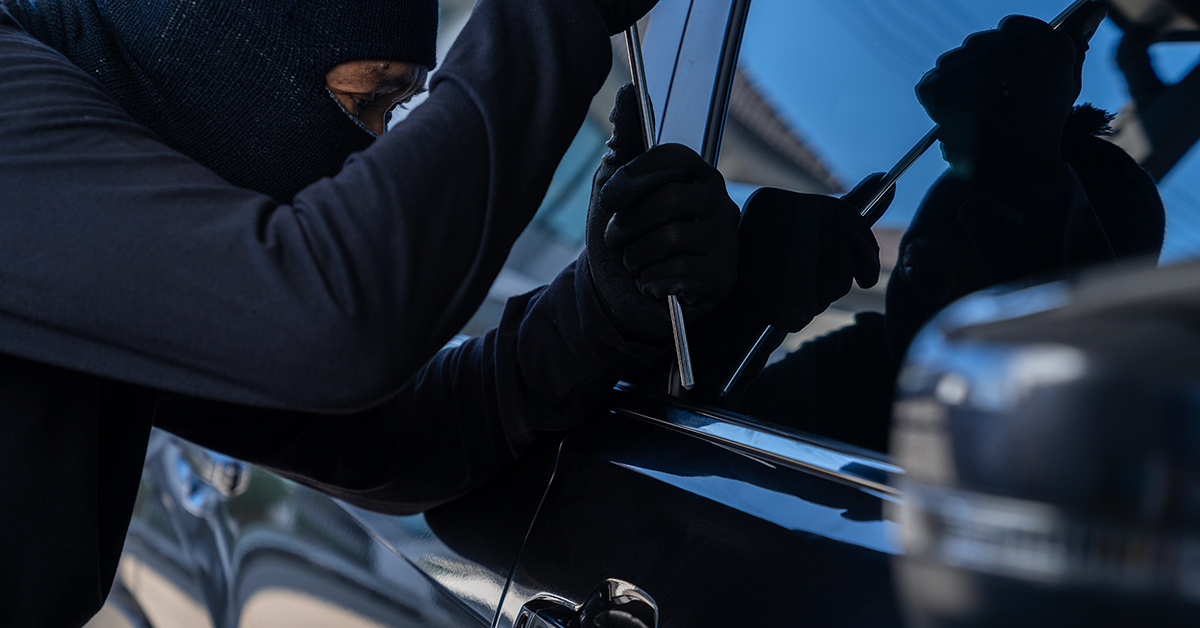
Vehicle theft is a persistent and costly crime that impacts hundreds of thousands of drivers annually. According to the National Highway Traffic Safety Administration (NHTSA), more than 850,000 drivers fall victim to this crime every year, with total losses worth approximately $8 billion.
While overall vehicle thefts nationally saw a significant decrease of 17% from 2023 to 2024, dropping below the one million mark for the first time since 2021 (National Insurance Crime Bureau - NICB), New York State has still experienced an increase in recent years, with certain Kia and Hyundai models being particularly targeted due to viral social media videos demonstrating how to steal them.
As New York State DMV Commissioner and Governor’s Traffic Safety Committee Chair Mark J.F. Schroeder stated, "Summer is the busiest season for vehicle thefts, so it is a good time to remind New Yorkers about the steps they can take to protect their purchase.” Governor Kathy Hochul has called for increased efforts to improve public safety and traffic safety, initiating the five-point Comprehensive Auto-Theft Reduction Strategy (CARS) in 2023. This plan provides significant support to local law enforcement and focuses on prevention and public education.
Between January 1 and June 30 of this year, the New York State DMV recovered 188 vehicles with a total value of almost $5.6 million, and 16 stolen parts worth $72,598. This is a notable increase from the 120 vehicles totaling $3.5 million and 31 stolen parts worth $58,534 recovered during the same period in 2024. New York State Police Superintendent Steven G. James emphasized, “Auto theft often involves complex, organized criminal operations that can span across multiple states. The magnitude of these thefts impacts the quality of life and financial stability for all New Yorkers who fall victim to these crimes. By remaining vigilant and taking the appropriate precautions, you can keep yourself and your vehicle protected from theft."
The more layers of protection, the less likely your car will be stolen. Keep these four keys to theft prevention in mind for your vehicle:
1. Awareness
Nearly half of vehicle thefts could have been prevented by the owner. It's not just about locking your doors; it's about making your car less appealing to thieves. Whenever you leave your car, take a moment to check that you have:
- Parked in a well-lit area: Thieves prefer to work in the shadows.
- Locked the doors and closed the windows: This seemingly obvious step is often overlooked.
- Never leave your key fob in the vehicle: As stated by the DMV, this is a critical step to prevent theft.
- Never leave valuables in your vehicle, especially if they can be seen: Don't tempt opportunistic thieves.
2. Deterrence
Visible theft deterrents signal that your car could be difficult to steal, making it a less attractive target. Consider using:
- Steering wheel locks: These classic devices are a strong visual deterrent.
- Brake pedal locks: Another physical barrier that makes it harder for thieves to drive away.
- Theft-deterrent decals: These can indicate the presence of an alarm or tracking system.
- Audible alarm systems: The sound of an alarm can scare off thieves and alert others.
3. Immobilization
Immobilizing devices prevent a car from being hot-wired or easily driven off. Many late-model vehicles come with immobilization devices standard, and some after-market options are available for earlier models. These include:
- Smart keys: Encrypted keys that communicate with the vehicle's computer.
- Fuse cut-offs: A hidden switch that interrupts power to a critical system.
- Kill switches: Similar to a fuse cut-off, but often affecting the ignition or fuel pump.
- Starter or fuel pump disablers: Devices that prevent the engine from starting or receiving fuel.
- Wireless ignition authentication systems: Advanced systems that require specific authentication before the vehicle can start.
4. Tracking
A tracking device emits a signal to police or a monitoring station when a vehicle is stolen, greatly assisting authorities in recovery. Some systems employ telematics, combining GPS and wireless technologies for remote monitoring. If the vehicle is moved, the system can alert the owner and be tracked via computer. The NY DMV also proactively educates consumers about car thefts and encourages new vehicle owners to install tracking devices. Even inexpensive Bluetooth trackers, like Apple AirTags, hidden in your vehicle can help track it if stolen, a tip echoed by New York City officials.
What to do if your vehicle is stolen
If your vehicle is stolen, report it to the police and your auto insurance company as soon as possible. The police will enter the information into national and state auto theft computer records. The theft will be noted on your vehicle title record to help prevent someone from selling the vehicle or applying for a new title. Also, ask the police to complete a 'Report of Lost or Stolen Motor Vehicle Items' form (MV-78B) for your stolen plates, which you must submit to the DMV.
Protect yourself from buying a stolen vehicle: The DMV also provides guidance on how to avoid unintentionally buying a stolen vehicle:
- Check the VIN before buying a used vehicle to make sure it was not flooded or stolen. The National Insurance Crime Bureau’s (NICB) VINCheck is a free service to help consumers determine if a vehicle has been reported as salvaged or stolen.
- Look for odometer discrepancies.
- Be cautious about buying a vehicle locally with out-of-state titles or a car being sold with a NY title that has out-of-state inspections stickers, plates, or temporary paper plates.
- Be aware of flood damage, which can affect critical components and might not be readily visible.
Auto liability insurance is required in all 50 states, but coverage against theft – the comprehensive coverage – is optional. For more information, call your AAA Insurance agent or insurance customer service, or visit your local branch. AAA Insurance