











Online scams turn travel dreams into nightmares
Online scams turn travel dreams into nightmares
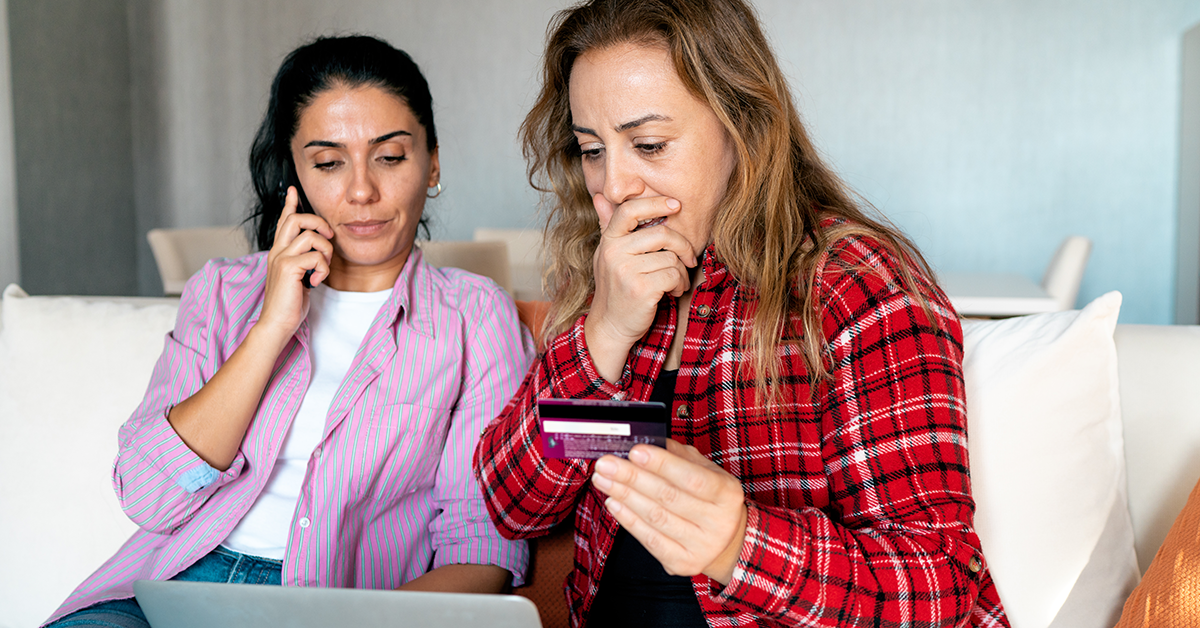
Planning a trip should be an exciting journey, from dreaming about destinations to booking your ideal getaway. However, in our increasingly digital world, the thrill of finding a great deal online can quickly turn into frustration and financial loss due to a rise in sophisticated travel scams.
The good news is that with awareness and preparation, you can spot and avoid these deceptive schemes, ensuring your hard-earned vacation remains a source of joy, not regret.
If you think you may have been targeted by a travel scam, report it to the FTC at ReportFraud.ftc.gov.
Travel scams are evolving
Scammers are constantly adapting their tactics, making it crucial for self-bookers to be vigilant. Beyond traditional pickpocketing and street scams, digital threats have become prevalent.
MSN.com reports that one in every 33 newly registered vacation-related websites that are either malicious or suspicious, according to Paul Tucker, chief information security officer for BOK Financial.
When booking yourself, you might encounter:
- Fake travel websites and "free" vacation offers: Scammers create websites advertising "free" or incredibly cheap travel deals. These "free" vacations often come with hidden fees and taxes that add up to hundreds of dollars, making them far from free. Similarly, offers for "premium vacation packages at deeply discounted prices you can’t find anywhere else" are a red flag.
- Phishing emails and texts: You might receive emails or text messages that appear to be from legitimate airlines or hotels, claiming issues with purchases or offering "refunds". Clicking these links can lead you to fraudulent websites designed to steal your personal information or money.
- International document scams: Beware of copycat websites that claim to help you obtain international travel visas, passports, or other documents. These sites charge high fees for services that are free on the official U.S. Department of State website. Additionally, scammers sell fake International Driving Permits (IDPs), which are worthless and can lead to legal problems or travel delays if used abroad. Only AAA and the American Automobile Touring Alliance (AATA) are authorized to issue IDPs in the U.S.
- Vacation home and charter flight scams: Scammers often hijack legitimate rental listings or create entirely fake ones, advertising properties that are not truly for rent or do not exist. This can leave you without a place to stay and your money gone. For charter flights, dishonest operators might sell packages for flights not yet approved by the U.S. Department of Transportation (DOT).
- Scammers posing as travel professionals: There's a reported increase in scammers pretending to be travel advisors, who can swindle thousands from travelers, even selling fake cruises.
- Tech-savvy scams:
- Juice jacking: Public charging stations in places like airports or hotels can be used by hackers to install malware and steal your data.
- Malicious Wi-Fi: Scammers set up fake public Wi-Fi networks that mimic legitimate ones to intercept your personal information.
- Fake QR codes: Scanning fraudulent QR codes on posters or pamphlets can lead to malicious websites or malware installation.
Key signs to spot a scam
Staying alert to these common indicators can help you identify a scam before it's too late:
- Promises of "free" yet require payment: If an offer claims to be "free" but demands fees, taxes, or any upfront payment to claim a prize or vacation, it's not truly free, and it’s a scam.
- Lack of specific details: Scammers avoid providing specific details about the travel offer, such as the exact address of a "five-star" resort or the name of a "luxury" cruise company.
- Pressure to act quickly: Scammers often pressure you to make an immediate decision about buying a travel package or renting a property. Legitimate companies will give you time to consider the offer.
- Unbelievably low prices: If a premium vacation property or package is advertised at a price significantly lower than comparable options, it's a major red flag.
- Demands for specific payment methods: Any travel site or individual that demands payment via wire transfers (like Western Union or MoneyGram), gift cards, or cryptocurrency is likely to be running a scam. These payment methods are nearly impossible to trace or recover once the money is sent.
Why worry? Trust AAA Travel
While booking yourself may seem appealing, the complexity and rising threat of travel scams highlights the value of expert assistance. For a travel experience you can trust, book your travel with a AAA Travel Advisor. AAA Travel ensures legitimate transactions and works closely with verified travel vendors, providing you value and guidance at every step of your journey.
Don't let the threat of scams overshadow the joy of your next adventure. Your travel planning should be rewarding, not fraught with the risk of being scammed.
Connect with your local AAA Travel Advisor today. Let us help you plan your next trip with confidence, security, and peace of mind.